
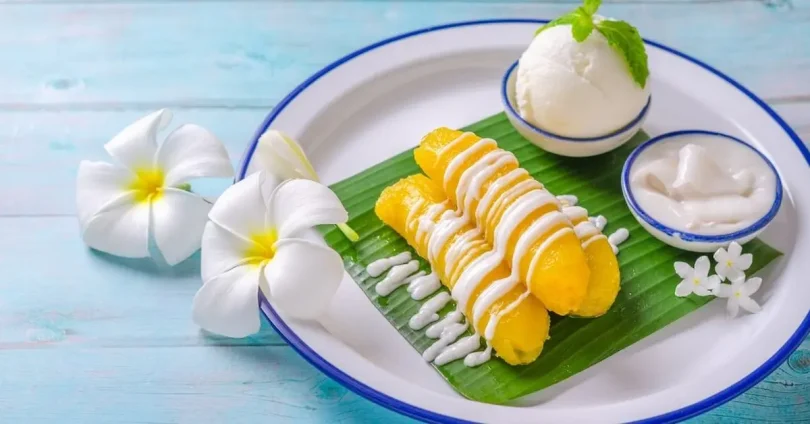

Thai desserts are a delightful journey into the sweet, colorful, and flavorful world of Thailand. Known for their unique combinations of textures, tastes, and aromas, these desserts are more than just treats — they are a reflection of Thai culture and culinary creativity.
From the creamy richness of coconut custard to the chewy sweetness of sticky rice with mango, Thai desserts offer a perfect balance of sweet, fragrant, and sometimes slightly salty flavors. Many use fresh tropical fruits, fragrant herbs like pandan, and natural sweeteners like palm sugar to create desserts that are both delicious and visually appealing.
This Popular Thai Desserts Guide will introduce you to the most famous Thai sweets, the ingredients that make them special, tips for making them at home, and where to experience these treats authentically. Whether you’re a foodie exploring Thailand or cooking Thai desserts in your own kitchen, this guide will help you enjoy the sweet side of Thai cuisine.
Common Ingredients in Thai Desserts
Thai desserts are loved for their unique flavors and textures, which come from fresh, natural, and aromatic ingredients. Understanding these key components will help you appreciate or recreate authentic Thai sweets.
Coconut Milk
Coconut milk is a staple in Thai desserts. It adds creaminess, richness, and a slightly sweet flavor that complements sticky rice, custards, and jellies.
Sticky Rice
Sticky rice, also called glutinous rice, provides a chewy and satisfying texture. It’s often paired with fruits, coconut milk, or sweet beans in many Thai desserts like Mango Sticky Rice.
Tropical Fruits
Thailand’s tropical climate provides a variety of fruits used in desserts. Mango, durian, banana, jackfruit, and coconut are popular choices, giving dishes vibrant colors and natural sweetness.
Pandan Leaves
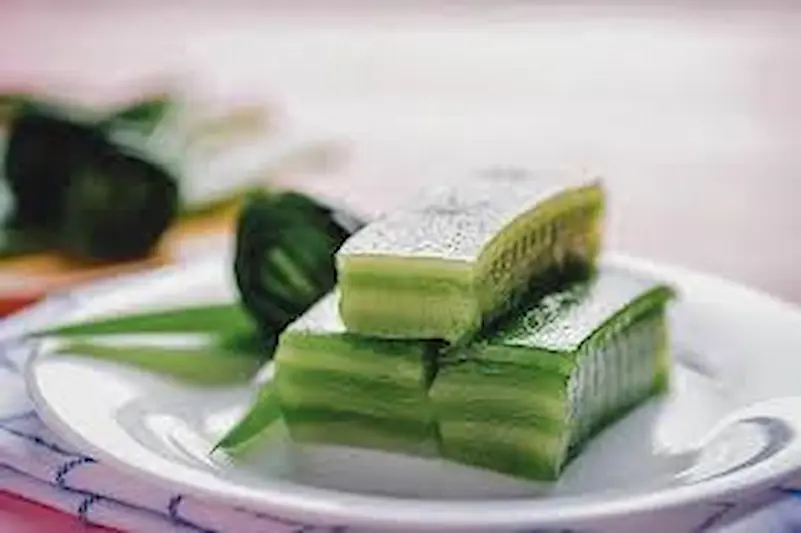
Pandan is a fragrant leaf used for flavoring and coloring desserts. It adds a mild, sweet aroma and a beautiful green hue to cakes, custards, and jellies.
Palm Sugar and Condensed Milk
Palm sugar provides a caramel-like sweetness, while condensed milk adds rich, creamy sweetness. These ingredients balance flavors and enhance the taste of desserts. Popular Thai desserts
Rice Flour and Tapioca Starch
Rice flour and tapioca starch are used to create chewy textures in Thai desserts like jellies and cakes. They give desserts a soft, smooth, and sometimes slightly bouncy texture. Popular Thai desserts
Other Ingredients
Other common additions include mung beans, sesame seeds, and coconut cream, all of which contribute to the rich flavors and textures that make Thai desserts so special.
Popular Thai Desserts to Try
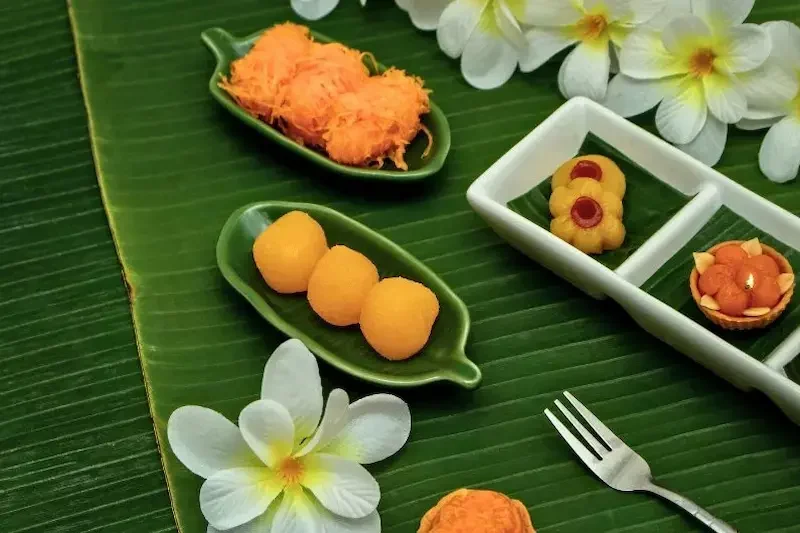
Mango Sticky Rice (Khao Niew Mamuang)
One of Thailand’s most famous desserts, Mango Sticky Rice combines sweet, ripe mango slices with sticky glutinous rice drizzled in creamy coconut milk. The soft, chewy rice paired with the juicy mango creates a perfect balance of sweetness and richness, making it a favorite for both locals and tourists. Popular Thai desserts
Thai Coconut Custard (Sangkaya)
Sangkaya is a smooth and creamy coconut custard often served in a hollowed-out pumpkin or with sticky rice. Made from coconut milk, eggs, and palm sugar, it has a rich, velvety texture and a fragrant aroma that melts in your mouth. Popular Thai desserts
Thai Jelly Desserts (Wun)
Wun are colorful and fun-to-eat jellies made from agar-agar or gelatin. They often feature layers, fruits, or coconut milk, creating visually stunning desserts that are light, sweet, and refreshing — perfect for hot days. Popular Thai desserts
Sweet Sticky Rice with Durian (Khao Niew Durian)
Durian lovers will enjoy Khao Niew Durian, a dessert made with sticky rice topped with the king of fruits. The combination of creamy, fragrant durian with sweet coconut sticky rice delivers a unique and rich flavor experience. Popular Thai desserts
Roti with Condensed Milk or Banana
Thai-style roti is a crispy, thin pancake often filled with banana or drizzled with condensed milk and sugar. It’s a popular street food dessert that’s easy to enjoy anytime and loved for its crunchy exterior and sweet, soft filling.
Kanom Buang (Thai Crispy Pancakes)
Kanom Buang are thin, crispy crepes filled with sweet coconut cream and toppings like shredded coconut or egg yolk threads. These delicate treats are both crispy and creamy, offering a perfect bite of Thai dessert craftsmanship. Popular Thai desserts
Tub Tim Krob (Red Rubies)
Also known as Red Rubies, this dessert features water chestnuts coated in red tapioca flour, served in chilled coconut milk with crushed ice. It’s sweet, crunchy, and refreshingly cool — ideal for beating the heat of Thailand. Popular Thai desserts
you may also like to read these posts;
Where to Eat in Thailand: Top Spots for Authentic Thai Cuisine
Thai Cooking Recipes: Easy & Authentic Dishes to Try at Home
Street Food in Thailand: Top Spots & Must-Try Dishes for Food Lovers
Best Thai Dishes to Try: A Guide to Must-Taste Thai Favorites
Traditional Thai Food Guide: Must-Try Dishes & Authentic Flavors
Regional Variations of Thai Desserts
Thai desserts vary across the country, reflecting local ingredients, climate, and cultural influences. Each region has its own specialties and flavors that make Thai sweets diverse and exciting. Popular Thai desserts
Northern Thailand
Northern desserts often use sticky rice and local fruits. For example, desserts with steamed sticky rice, taro, or pumpkin are common. The flavors tend to be mild and aromatic, highlighting the natural taste of the ingredients. Popular Thai desserts
Central Thailand
Central Thailand is known for coconut milk-based desserts and custards. Popular sweets include Mango Sticky Rice, Sangkaya (coconut custard), and layered jelly desserts. The use of palm sugar and rich coconut milk gives central Thai desserts their creamy and sweet character.
Southern Thailand
Southern Thai desserts are rich, tropical, and often spicier in flavor. Durian, coconut, pandan, and tropical fruits are frequently used. Sticky rice desserts with durian or sweet coconut puddings are signature treats in this region. Popular Thai desserts
Northeastern Thailand (Isan)
Desserts in the Northeast are simpler and often use sticky rice, palm sugar, and local herbs. They are less sweet but offer unique textures and flavors, reflecting the region’s agricultural traditions. Popular Thai desserts
Why Regional Variations Matter
Exploring regional desserts helps you understand Thailand’s culture and culinary diversity. Each dessert tells a story of local ingredients, traditions, and cooking techniques that make Thai sweets truly special. Popular Thai desserts
Tips for Making Thai Desserts at Home
Start with Simple Recipes
If you’re new to Thai desserts, begin with easy-to-make treats like Mango Sticky Rice or Thai jelly (Wun). Simple recipes help you get familiar with the flavors, textures, and cooking methods before trying more complex desserts. Popular Thai desserts
Use Fresh Ingredients
Fresh fruits, coconut milk, and herbs make a big difference in taste. Ingredients like ripe mango, pandan leaves, and coconut cream bring authentic flavor and aroma to your desserts. Avoid substitutes when possible for the best results. Popular Thai desserts
Balance Flavors Carefully
Thai desserts often balance sweet, creamy, and slightly salty flavors. Taste as you go and adjust sugar, coconut milk, or salt to achieve the perfect harmony. Popular Thai desserts
Pay Attention to Texture
Texture is key in Thai desserts. Sticky rice should be soft but not mushy, custards should be smooth, and jellies should hold their shape. Following measurements and cooking times carefully ensures the best results. Popular Thai desserts
Use Proper Cooking Tools
A steamer, non-stick pan, or sticky rice basket can make preparation easier and more authentic. Even if you don’t have traditional tools, simple kitchen alternatives can work with careful technique. Popular Thai desserts
Experiment and Have Fun
Thai desserts are colorful and creative. Don’t be afraid to try different fruits, toppings, or shapes. Experimenting helps you learn the flavors and enjoy the process of making traditional Thai sweets at home. Popular Thai desserts
Where to Try Authentic Thai Desserts
Street Food Stalls
Thailand’s streets are full of vibrant dessert stalls offering fresh, sweet treats. From Mango Sticky Rice to Roti with condensed milk, these stalls let you experience authentic flavors at an affordable price. Street vendors often serve desserts made fresh daily, giving a true taste of Thai tradition. Popular Thai desserts
Local Thai Restaurants
Many family-run Thai restaurants specialize in traditional desserts. These establishments often use time-honored recipes passed down through generations, providing an authentic and high-quality dessert experience.
Night Markets and Food Fairs
Night markets are ideal for exploring multiple desserts in one visit. You can try Kanom Buang, Tub Tim Krob, and layered jellies, all while enjoying the lively atmosphere and local culture.
Thai Cooking Classes
For a hands-on experience, join a Thai dessert cooking class. These classes teach you how to prepare, flavor, and present traditional sweets, giving you the skills to recreate them at home.
At Home with Authentic Ingredients
Even if you can’t travel, you can make authentic Thai desserts at home using ingredients from Asian grocery stores or online shops. Key items like sticky rice, coconut milk, palm sugar, and pandan leaves allow you to prepare classics such as Mango Sticky Rice and Thai coconut custard in your own kitchen.
Advantages of Thai Desserts
1. Unique and Balanced Flavors
Thai desserts are celebrated for their perfect harmony of sweet, creamy, and sometimes slightly salty flavors. Each dessert offers a unique taste experience, combining the natural sweetness of fruits and palm sugar with the richness of coconut milk, making every bite delightful and memorable.
2. Use of Fresh and Natural Ingredients
Most Thai desserts rely on fresh fruits, herbs, and natural sweeteners. Ingredients like mango, durian, jackfruit, pandan, and sticky rice are wholesome and minimally processed, making the desserts not only tasty but also healthier than heavily processed sweets.
3. Variety of Textures
Thai desserts are as much about texture as flavor. Chewy sticky rice, creamy custards, crunchy pancakes, soft jellies, and silky coconut milk create a multi-dimensional eating experience that is fun and satisfying.
4. Cultural and Traditional Value
Many desserts carry cultural significance and regional history, reflecting Thailand’s rich culinary traditions. Eating or preparing these sweets gives insight into local customs, celebrations, and regional specialties, connecting you to Thailand’s heritage.
5. Appealing Presentation
Thai desserts are often vibrant and visually appealing, with bright colors, layered textures, and creative garnishes. They are perfect for sharing at gatherings or festive occasions, making the dining experience more enjoyable and Instagram-worthy!
6. Adaptable for Home Cooking
Many Thai desserts can be easily recreated at home with simple ingredients like sticky rice, coconut milk, pandan, and palm sugar. Beginners can start with Mango Sticky Rice or Thai jelly, while more experienced cooks can try custards or layered sweets.
7. Refreshing and Light
Several Thai desserts, such as Tub Tim Krob or jelly desserts, are light, cool, and refreshing, making them perfect for hot weather. Their use of coconut milk and chilled preparation gives a satisfying yet not overly heavy finish.
What makes Thai desserts unique?
Thai desserts stand out for their perfect balance of flavors and textures. They often combine sweet, creamy, and slightly salty tastes using natural ingredients like coconut milk, palm sugar, and tropical fruits, creating a deliciously harmonious experience.
Are Thai desserts very sweet?
Not all Thai desserts are overly sweet. While some can be rich and sugary, many offer a gentle sweetness balanced by coconut milk or a hint of salt, making them enjoyable even for those who prefer milder flavors.
Can Thai desserts be made vegan or dairy-free?
Yes! Most Thai desserts are naturally vegan since they use coconut milk instead of dairy and plant-based ingredients like rice flour, fruits, and palm sugar. Just be sure to avoid recipes with eggs if you want a completely vegan version.
What are the most popular Thai desserts worldwide?
Some of the most famous Thai desserts include Mango Sticky Rice (Khao Niew Mamuang), Tub Tim Krob (Red Rubies), Kanom Buang (Thai Crispy Pancakes), and Thai Coconut Custard (Sangkaya). These are loved for their distinct flavors and beautiful presentation.
Where can I find authentic Thai dessert ingredients?
You can find most ingredients like sticky rice, coconut milk, pandan leaves, and palm sugar at Asian grocery stores or online. These essentials will help you recreate authentic Thai flavors at home.
Conclusion
Thai desserts are a delightful way to experience the sweet and vibrant flavors of Thailand. From the creamy richness of coconut custard to the refreshing crunch of Tub Tim Krob, each dessert combines unique textures, natural ingredients, and traditional flavors that reflect Thailand’s rich culinary culture.
Whether you’re enjoying desserts at street food stalls, local restaurants, or making them at home, Thai sweets offer something for everyone — from fruity and light treats to indulgent and creamy favorites. Exploring these desserts allows you to taste Thailand’s traditions, creativity, and love for food in every bite.
By trying or preparing popular Thai desserts, you can bring a piece of Thailand’s culinary magic into your kitchen and enjoy the colorful, flavorful, and unforgettable world of Thai sweets.


