
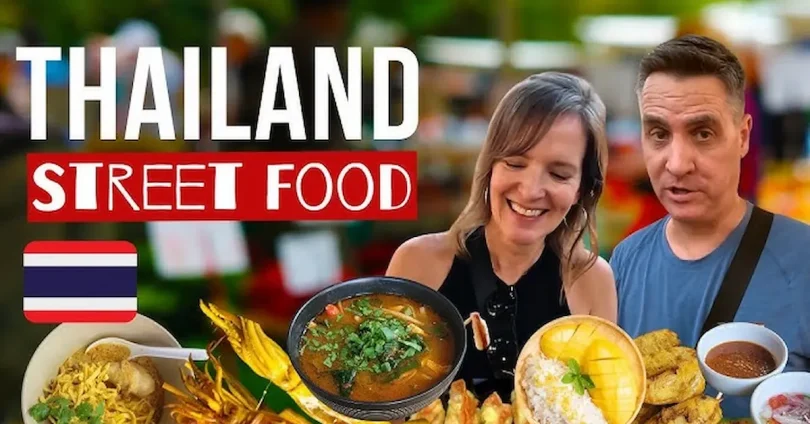

Thailand is a dream destination for food lovers, offering a rich and diverse culinary scene that combines bold flavors, fresh ingredients, and unique cooking traditions. From spicy street food to elegant fine dining, Thailand serves something for every palate and budget. Where to eat in Thailand
The country is famous for its perfect balance of sweet, sour, salty, and spicy flavors, which can be found in every meal, whether it’s a bowl of Tom Yum soup, a plate of Pad Thai, or a refreshing tropical dessert. Exploring Thailand’s food is not just about eating — it’s about experiencing culture, tradition, and local life through every bite.
This guide will help you discover where to eat in Thailand, from the bustling streets of Bangkok to the night markets of Chiang Mai, traditional local restaurants, and high-end dining experiences. Whether you’re a seasoned foodie or a curious traveler, this article will ensure you taste the best of Thailand’s culinary delights.
Street Food – Taste Thailand’s Soul
Street food is the heartbeat of Thailand’s culinary scene. Vibrant stalls line the streets of cities like Bangkok, Chiang Mai, Phuket, and Pattaya, offering freshly prepared dishes that are affordable, delicious, and authentic. Eating street food allows travelers to experience Thailand’s flavors, culture, and daily life all at once. The energy, aromas, and colors of the bustling streets make street food not just a meal, but a complete sensory experience.
Must-Try Street Food Dishes
- Pad Thai: Stir-fried rice noodles with eggs, tofu or shrimp, peanuts, and tamarind sauce. A world-famous dish that balances sweet, sour, and salty flavors.
- Som Tum (Papaya Salad): Spicy, tangy, and crunchy, often mixed with tomatoes, peanuts, and lime, representing the bold flavors of Thai cuisine.
- Satay: Grilled meat skewers served with peanut sauce, offering a savory and slightly sweet taste.
- Mango Sticky Rice: Sweet sticky rice topped with ripe mango and creamy coconut milk, a perfect dessert to end your meal.
- Tom Yum Soup: Hot and sour soup with shrimp, lemongrass, mushrooms, and chili, known for its aromatic and bold flavor.
- Roti & Thai Pancakes: Quick, street-friendly snacks like crispy roti with banana or condensed milk, satisfying for any time of day.
Tips for Enjoying Street Food
- Choose stalls with high customer turnover, ensuring the food is freshly cooked.
- Observe hygiene and cleanliness before ordering.
- Don’t hesitate to ask for your dish less spicy if you prefer milder flavors.
- Bring cash, as most street vendors do not accept cards.
- Explore local favorites recommended by residents or travel guides to find hidden gems.
Street food not only satisfies your hunger but also gives you a true taste of Thailand’s culture, energy, and daily life. The combination of aromas, flavors, and vibrant street scenes makes it one of the most memorable ways to experience the country.
Local Restaurants – Authentic Thai Dining
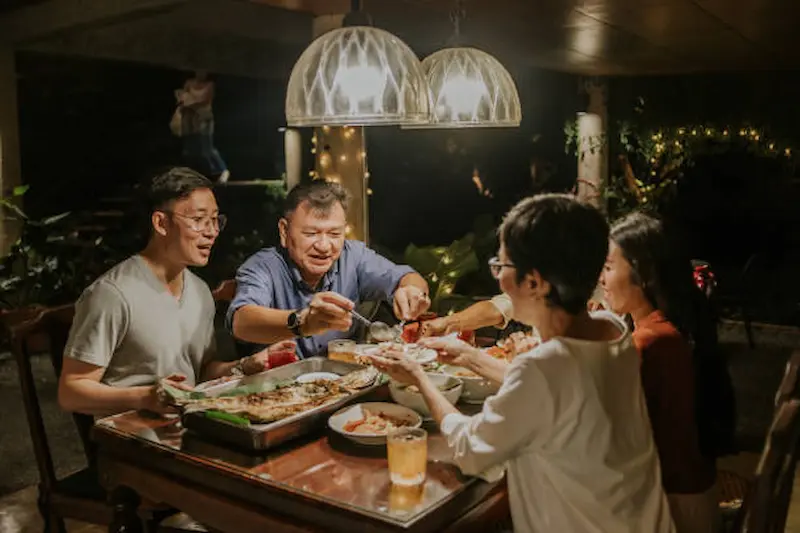
While street food gives you a quick and exciting taste of Thailand, local restaurants offer a more relaxed and authentic dining experience. These eateries, often family-run, serve traditional recipes passed down through generations, allowing you to enjoy home-style Thai flavors in a comfortable setting.
Regional Specialties in Local Restaurants
- Northern Thailand (Chiang Mai, Chiang Rai): Try Khao Soi, a creamy curry noodle soup, or Sai Ua, Northern-style grilled sausage with aromatic herbs.
- Central Thailand (Bangkok, Ayutthaya): Famous for Green Curry, Pad Thai, and Tom Yum Goong, often paired with fragrant jasmine rice.
- Southern Thailand (Phuket, Krabi, Surat Thani): Known for seafood dishes, coconut-based curries, and spicy local salads.
- Northeastern Thailand (Isan region): Specialties include Som Tum (papaya salad), grilled chicken (Gai Yang), and sticky rice, usually served spicy and bold.
Why Visit Local Restaurants
- Authentic Recipes: Dishes reflect regional flavors and traditional cooking techniques.
- Cultural Experience: Dining with locals gives insight into Thai dining etiquette, such as sharing multiple dishes and eating with a spoon and fork.
- Comfort and Atmosphere: Sit down and enjoy your meal in a relaxed setting, often decorated in traditional Thai style.
Dining Tips
- Share dishes with friends or family to try a variety of flavors.
- Ask for spice adjustments if needed — many dishes are served spicy by default.
- Observe polite dining manners, such as waiting for the eldest person to start eating.
- Try local drinks like Thai iced tea or fresh coconut juice to complement your meal.
Visiting local restaurants allows you to explore authentic Thai cuisine beyond the streets, enjoy regional specialties, and immerse yourself in Thailand’s food culture in a welcoming environment.
you may also like to read these posts;
Thai Cooking Recipes: Easy & Authentic Dishes to Try at Home
Street Food in Thailand: Top Spots & Must-Try Dishes for Food Lovers
Best Thai Dishes to Try: A Guide to Must-Taste Thai Favorites
Traditional Thai Food Guide: Must-Try Dishes & Authentic Flavors
Popular Thai Desserts: Sweet Treats You Must Try in Thailand
Night Markets and Food Courts – A Flavorful Adventure
Thailand’s night markets and food courts are perfect for travelers who want to experience a wide variety of dishes in one place. These bustling areas are not just about food — they are vibrant cultural hubs where locals and tourists gather to eat, shop, and enjoy the lively atmosphere.
Popular Night Markets
- Chiang Mai Night Bazaar: Offers everything from grilled meats and noodles to desserts and tropical fruits.
- Phuket Weekend Market: Known for seafood, street snacks, and local sweets.
- Bangkok’s Asiatique: A riverfront night market with food stalls, restaurants, and entertainment.
- Chiang Rai Night Market: Great for tasting regional specialties like Northern-style sausages and sticky rice desserts.
What You Can Find
- Snacks: Satay, fried spring rolls, crispy pancakes, and skewers.
- Meals: Pad Thai, curries, noodle soups, and seafood dishes.
- Desserts: Mango Sticky Rice, Tub Tim Krob (Red Rubies), Thai pancakes, and coconut-based sweets.
- Drinks: Fresh fruit juices, Thai iced tea, coconut water, and local herbal drinks.
Tips for Exploring Night Markets
- Go hungry and try small portions of multiple dishes.
- Observe hygiene and choose busy stalls with lots of customers.
- Bargain politely when buying souvenirs or snacks.
- Bring cash, as some vendors do not accept cards.
- Visit early evening to enjoy cooler temperatures and avoid long queues.
Night markets and food courts offer a fun, interactive, and flavorful way to taste Thailand’s cuisine. The combination of aromatic street food, vibrant colors, and lively crowds makes this experience unforgettable for any traveler.
Fine Dining and Modern Thai Cuisine Where to eat in Thailand
For travelers seeking a more sophisticated culinary experience, Thailand’s fine dining restaurants and modern Thai cuisine offer innovative takes on traditional dishes. These establishments combine authentic flavors, fresh ingredients, and creative presentation, giving diners a memorable and upscale experience.
Where to Find Fine Dining in Thailand
- Bangkok: Known as the country’s gourmet capital, Bangkok has many award-winning restaurants offering modern Thai cuisine, fusion dishes, and tasting menus.
- Chiang Mai: Boutique hotels and luxury resorts feature elegant Thai dining with a focus on local ingredients and Northern-style specialties.
- Phuket and Krabi: High-end beachfront restaurants serve fresh seafood, tropical curries, and beautifully plated Thai dishes with a view of the sea.
Why Try Modern Thai Cuisine
- Creative Twists: Classic dishes like Tom Yum or Green Curry are reimagined with unique flavors, textures, and plating.
- High-Quality Ingredients: Chefs often use organic, locally sourced, and seasonal ingredients for richer taste.
- Cultural Experience: Fine dining offers a chance to learn about Thai culinary heritage, while enjoying innovative recipes in a stylish setting.
Tips for Fine Dining
- Make reservations in advance, especially at popular or award-winning restaurants.
- Dress appropriately, as some upscale restaurants have a dress code.
- Try tasting menus to explore a variety of dishes in one meal.
- Pair meals with local beverages like Thai wine, fruit cocktails, or traditional teas for a complete experience.
Fine dining and modern Thai cuisine allow travelers to experience Thailand’s culinary artistry at its best, blending tradition with innovation and providing a unique perspective on Thai food culture.
Regional Food Hotspots – What to Eat Where
Thailand’s cuisine varies by region, reflecting local ingredients, climate, and cultural influences. Knowing the regional specialties can help you experience authentic flavors wherever you travel.
Northern Thailand (Chiang Mai, Chiang Rai)
- Specialties: Khao Soi (curry noodle soup), Sai Ua (herbed grilled sausage), sticky rice with local fruits.
- Food Culture: Dishes are aromatic but generally milder than the South, with a focus on herbs and coconut milk.
Central Thailand (Bangkok, Ayutthaya)
- Specialties: Pad Thai, Green Curry, Tom Yum Goong, mango sticky rice.
- Food Culture: This region features a mix of street food, traditional restaurants, and fine dining, with dishes often balancing sweet, sour, salty, and spicy flavors.
Southern Thailand (Phuket, Krabi, Surat Thani)
- Specialties: Fresh seafood, coconut-based curries, spicy salads, and southern-style desserts.
- Food Culture: Southern cuisine is rich, spicy, and aromatic, often using coconut milk, turmeric, and fresh seafood.
Northeastern Thailand (Isan region – Udon Thani, Khon Kaen)
- Specialties: Som Tum (spicy papaya salad), Gai Yang (grilled chicken), sticky rice. Where to eat in Thailand
- Food Culture: Known for spicy and bold flavors, Isan cuisine emphasizes grilled meats and fresh herbs.
Tips for Exploring Regional Foods
- Ask locals or guides for hidden gems and authentic eateries.
- Try signature dishes in their region of origin for the most authentic experience. Where to eat in Thailand
- Be prepared for spice levels, especially in Southern and Northeastern dishes. Where to eat in Thailand
- Visit local markets to explore snacks, desserts, and unique ingredients. Where to eat in Thailand
Exploring regional food hotspots allows travelers to taste the diversity of Thai cuisine, discovering unique dishes and flavors that vary from North to South, and from Central plains to the Northeast. Where to eat in Thailand
Tips for Eating in Thailand
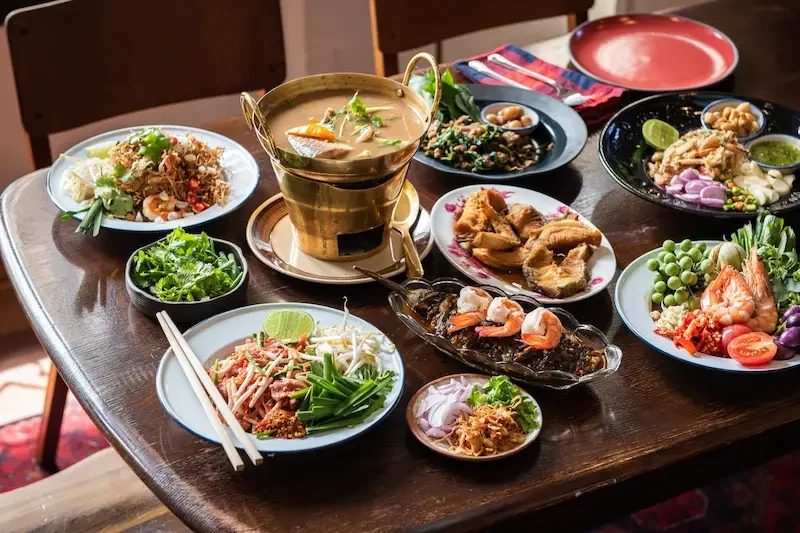
Eating in Thailand can be an exciting adventure, but following a few simple tips ensures you enjoy authentic flavors safely and comfortably.
1. Choose Safe Street Food
- Look for busy stalls with high turnover, ensuring food is freshly cooked. Where to eat in Thailand
- Observe cleanliness and the appearance of cooking utensils. Where to eat in Thailand
- Stick to hot, freshly-prepared dishes to reduce the risk of foodborne illness. Where to eat in Thailand
2. Adjust Spice Levels
- Thai food is often spicy by default, especially in the South and Northeast. Where to eat in Thailand
- Politely ask for your dish “mai pet” (not spicy) or “nid noi” (a little spicy) if you prefer milder flavors. Where to eat in Thailand
3. Try a Variety of Dishes
- Order several small dishes to share, giving you a chance to taste different flavors. Where to eat in Thailand
- Include a mix of soups, curries, stir-fries, and desserts for a complete culinary experience. Where to eat in Thailand
4. Explore Local Drinks and Desserts
- Pair your meals with Thai iced tea, coconut water, or herbal drinks. Where to eat in Thailand
- Don’t miss desserts like Mango Sticky Rice or Tub Tim Krob for a sweet finish. Where to eat in Thailand
5. Use Apps and Guides
- Apps like Google Maps, Foursquare, or food blogs can help you find top-rated eateries. Where to eat in Thailand
- Ask locals for recommendations — often the best dishes come from hidden gems. Where to eat in Thailand
6. Budget and Dining Options
- Street food is extremely affordable, usually $1–$3 per dish. Where to eat in Thailand
- Local restaurants cost slightly more, $3–$10 per meal, while fine dining can range from $20–$100+. Where to eat in Thailand
- Plan your meals according to your budget and desired experience. Where to eat in Thailand
Following these tips will help you enjoy Thailand’s diverse cuisine safely, discover hidden food gems, and experience authentic local flavors without stress. Where to eat in Thailand
Is Thai street food safe for tourists?
Yes! Thai street food is generally safe if you choose busy stalls with fresh food, observe hygiene, and stick to hotly cooked dishes.
What are the must-try dishes in Thailand?
Some must-try dishes include Pad Thai, Som Tum (papaya salad), Tom Yum Goong, Khao Soi, Green Curry, and Mango Sticky Rice for dessert.
Can I find vegetarian or vegan options?
Absolutely! Many Thai dishes can be made vegetarian or vegan by skipping meat or fish sauce. Popular options include vegetable curries, tofu stir-fries, and fresh fruit desserts.
How much should I expect to spend on meals?
Street food: $1–$3 per dish
Local restaurants: $3–$10 per meal
Fine dining: $20–$100+ per person, depending on the restaurant and location
Are there food tours for travelers?
Yes, many cities like Bangkok, Chiang Mai, and Phuket offer guided food tours. These tours are a great way to taste multiple dishes safely while learning about local culinary culture.
Conclusion
Thailand is truly a food lover’s paradise, offering an incredible mix of flavors, textures, and culinary experiences. From bustling street food stalls and lively night markets to family-run local restaurants and luxurious fine dining, every meal tells a story of Thai culture and tradition.
Exploring regional specialties across Northern, Central, Southern, and Northeastern Thailand allows you to taste the diverse and unique flavors that define the country’s cuisine. Whether you enjoy spicy salads in Isan, coconut-based curries in the South, or noodle soups in the North, Thailand has something to satisfy every palate.
By following simple tips for eating safely and trying a variety of dishes, you can fully immerse yourself in Thailand’s vibrant food scene. Each bite offers a glimpse into the country’s rich culinary heritage, making your journey both delicious and unforgettable.


