
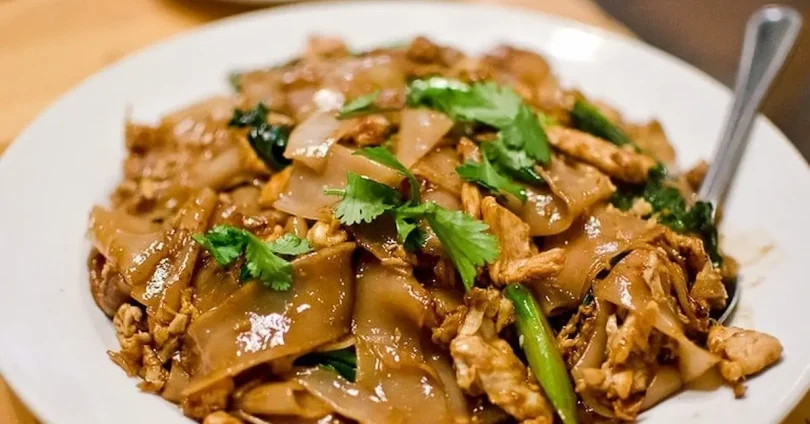

Thai food is one of the most loved cuisines in the world, known for its perfect balance of sweet, spicy, sour, and salty flavors. Each dish tells a story — from fragrant street food to rich curries served in family kitchens. Traditional Thai cuisine focuses on harmony, using fresh herbs, aromatic spices, and colorful ingredients to create meals that please both the eyes and the taste buds.
Whether it’s a comforting bowl of Tom Yum soup or a flavorful plate of Pad Thai, every bite reflects Thailand’s deep cultural roots and love for fresh, natural ingredients. This Traditional Thai Food Guide will help you discover the essence of Thai cooking — from its history and signature dishes to tips on how to enjoy or prepare them at home.
A Glimpse Into Thai Food History and Culture
The Origins of Thai Cuisine
The story of traditional Thai food goes back hundreds of years, shaped by both local traditions and foreign influences. Early Thai dishes were simple and focused on natural flavors from fresh herbs, vegetables, and fish. As trade routes opened, Thailand welcomed ingredients and cooking styles from China, India, Malaysia, and Laos, which helped create the flavorful and diverse Thai cuisine we know today.
The Five Essential Flavors of Thai Food
Thai cooking is all about balance. Every dish brings together the five key tastes — spicy, sweet, sour, salty, and bitter — creating a perfect harmony in every bite. This balance is what makes authentic Thai dishes stand out across the world.
Regional Flavors Across Thailand
Each part of Thailand offers its own signature dishes and cooking styles:
- Northern Thailand: Mild, aromatic foods like Khao Soi (creamy curry noodles). Traditional Thai food guide
- Northeastern Thailand (Isan): Bold and spicy meals such as Som Tum (green papaya salad). Traditional Thai food guide
- Central Thailand: Balanced flavors with classics like Pad Thai and Tom Yum Goong.
- Southern Thailand: Rich, coconut-based curries and spicy seafood specialties. Traditional Thai food guide
The Cultural Meaning of Food in Thailand
In Thai culture, food represents family, friendship, and harmony. Meals are shared, and everyone eats together — turning food into a social and joyful experience. Every dish is made with care and respect, reflecting Thailand’s warmth, creativity, and deep cultural pride. Traditional Thai food guide
Key Ingredients That Define Traditional Thai Food
Herbs and Aromatics
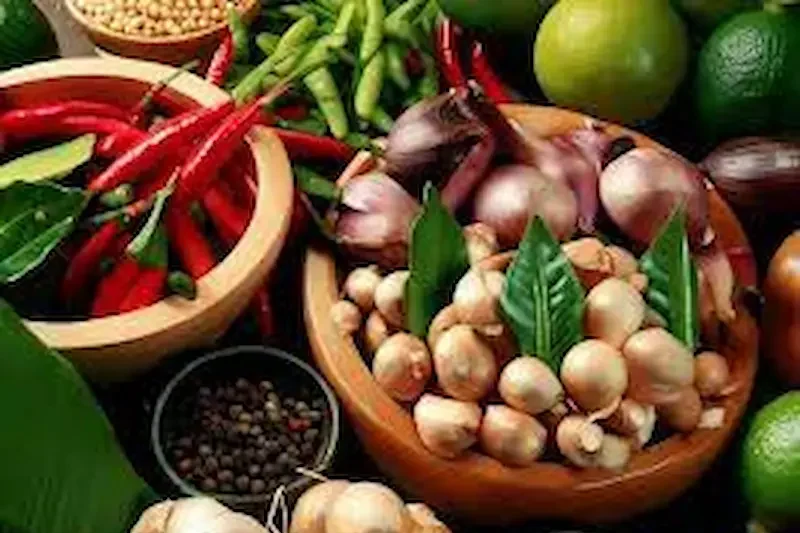
Thai cooking relies heavily on fresh herbs and aromatics to create its signature flavors. Lemongrass, galangal, kaffir lime leaves, Thai basil, cilantro, and garlic are used in almost every dish to provide fragrance and depth. These ingredients are often crushed or chopped to release their natural oils, giving Thai food its vibrant aroma. Traditional Thai food guide
Spices and Chili
Spice is a key element of traditional Thai dishes, but it’s carefully balanced. Bird’s eye chili, dried chili flakes, and curry pastes add heat, while other spices like coriander and cumin provide warmth and complexity. Thai food allows you to adjust spice levels, so everyone can enjoy it. Traditional Thai food guide
Sauces and Condiments
Fish sauce, soy sauce, oyster sauce, and shrimp paste are essential for adding saltiness and umami. A touch of tamarind, lime juice, or palm sugar brings sourness and sweetness, creating the iconic Thai flavor balance. Traditional Thai food guide
Rice and Noodles
Rice is the backbone of Thai cuisine. Jasmine rice is most common, prized for its fragrant aroma and soft texture. Noodles, such as rice noodles and egg noodles, are staples in dishes like Pad Thai and Pad See Ew. Traditional Thai food guide
Proteins and Vegetables
Thai dishes often include chicken, pork, beef, shrimp, or tofu, paired with fresh vegetables like green beans, eggplant, cabbage, and bell peppers. The combination ensures meals are nutritious, colorful, and flavorful. Traditional Thai food guide
Popular Traditional Thai Dishes to Try
Pad Thai
One of Thailand’s most famous dishes, Pad Thai is a stir-fried noodle dish made with rice noodles, eggs, tofu or shrimp, and tamarind sauce. It’s finished with crushed peanuts, lime, and fresh bean sprouts, creating a perfect mix of sweet, sour, and salty flavors.
Tom Yum Goong
Tom Yum Goong is a hot and sour shrimp soup that’s both spicy and aromatic. Made with lemongrass, kaffir lime leaves, galangal, chili, and lime juice, it’s a classic example of the bold flavors of Thai cuisine. Traditional Thai food guide
Green Curry (Gaeng Keow Wan)
This creamy coconut curry is made with green curry paste, coconut milk, meat or tofu, and vegetables. Sweet, spicy, and fragrant, Green Curry is often served with jasmine rice to soak up its rich flavors. Traditional Thai food guide
Som Tum (Papaya Salad)
Som Tum is a refreshing and spicy salad made from shredded green papaya, chilies, tomatoes, lime, and fish sauce. It’s crunchy, tangy, and slightly sweet — a favorite from Northeastern Thailand. Traditional Thai food guide
Massaman Curry
Originating from Southern Thailand, Massaman Curry blends Thai spices with Indian influences. Made with coconut milk, potatoes, peanuts, and tender meat, it’s rich, mildly spicy, and full of flavor. Traditional Thai food guide
Mango Sticky Rice
A classic Thai dessert, Mango Sticky Rice combines sweet sticky rice with ripe mango and coconut milk. It’s a simple yet indulgent way to end a Thai meal. Traditional Thai food guide
you may also like to read these posts;
Popular Thai Desserts: Sweet Treats You Must Try in Thailand
Where to Eat in Thailand: Top Spots for Authentic Thai Cuisine
Thai Cooking Recipes: Easy & Authentic Dishes to Try at Home
Street Food in Thailand: Top Spots & Must-Try Dishes for Food Lovers
Best Thai Dishes to Try: A Guide to Must-Taste Thai Favorites
Thai Dining Etiquette and Eating Traditional Thai food guide
Sharing is Caring
In Thailand, meals are usually shared family-style. Multiple dishes are served at once, and everyone takes small portions from each plate. This encourages conversation, sharing, and enjoying a variety of flavors in one meal. Traditional Thai food guide
How to Eat Thai Food
Thais typically eat with a spoon and fork. The fork is used to push food onto the spoon, which is then brought to the mouth. Chopsticks are only used for noodle dishes in some regions or at Chinese-influenced meals. Traditional Thai food guide
Balancing Flavors in Every Bite
Thai cuisine emphasizes balance in every bite. A proper Thai meal combines spicy, sweet, sour, and salty flavors on the same plate, allowing each dish to complement the others. Diners are encouraged to mix and taste, adjusting flavors with condiments like chili, sugar, or lime if needed. Traditional Thai food guide
Respect and Manners at the Table
Thai culture values politeness and respect during meals. It’s customary to wait for the eldest person to start eating and to avoid wasting food. Sharing food and eating together is seen as a way to strengthen family and social bonds. Traditional Thai food guide
Tips for Cooking Traditional Thai Food at Home
Start Simple
If you’re new to Thai cooking, it’s best to begin with easy recipes like Pad Thai, Tom Yum soup, or Green Curry. Simple dishes help you get familiar with Thai flavors, ingredients, and cooking techniques without feeling overwhelmed. Once comfortable, you can gradually try more complex dishes like Massaman Curry or Khao Soi. Traditional Thai food guide
Use Fresh Ingredients
Fresh herbs, vegetables, and proteins make a huge difference in Thai cuisine. Ingredients like lemongrass, kaffir lime leaves, Thai basil, garlic, and fresh chilies bring authentic aroma, color, and flavor to your dishes. Avoid pre-packaged or dried substitutes when possible for the best results. Traditional Thai food guide
Balance Flavors
The secret to authentic Thai dishes is balancing the five essential flavors — sweet, sour, salty, spicy, and bitter. Taste your dish as you cook and adjust seasonings gradually. For example, add sugar for sweetness, lime juice for sourness, fish sauce for saltiness, and chili for heat until the flavors are harmonious. Traditional Thai food guide
Adjust Spice Levels
Thai food is famous for its spiciness, but you can tailor the heat to your preference. Start with a small amount of chili and gradually increase. Remember, it’s easier to add spice than to remove it!
Cook in a Wok When Possible
A wok is ideal for stir-frying because it distributes heat evenly and cooks food quickly while keeping vegetables crisp and meat tender. High-heat cooking in a wok also enhances the flavors of herbs and sauces. Traditional Thai food guide
Take Time with Curry Pastes
When making curries, frying the curry paste in oil before adding coconut milk or protein helps release its aroma and deepen the flavors. Don’t rush this step — it’s essential for a rich, authentic taste. Traditional Thai food guide
Experiment and Have Fun
Thai cooking is both an art and a science. Don’t be afraid to experiment with ingredients, try new combinations, or adjust flavors according to your taste. The more you cook, the better you’ll understand the balance that makes traditional Thai food so special.
Where to Experience Authentic Thai Food
Street Food in Thailand
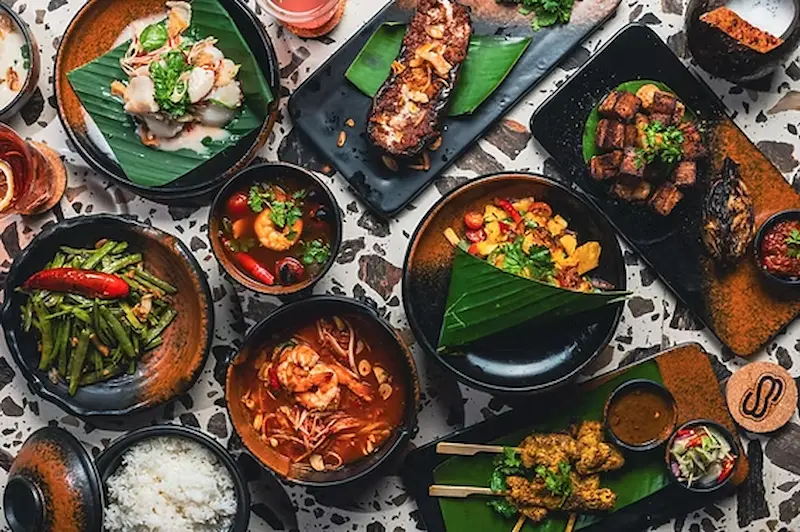
One of the best ways to taste authentic Thai dishes is by exploring Thailand’s vibrant street food scene. Cities like Bangkok, Chiang Mai, and Phuket are filled with street vendors serving freshly prepared dishes such as Pad Thai, Som Tum, satay, and noodle soups. Street food is not only affordable but also offers a true taste of local flavors and culture.
Local Thai Restaurants
Visiting local Thai restaurants is another excellent way to enjoy traditional cuisine. Look for places that use fresh herbs, authentic spices, and traditional cooking methods. Family-run restaurants often serve recipes passed down through generations, giving you a genuine experience of Thailand’s culinary heritage.
Food Markets and Night Bazaars
Thai food markets are full of fresh ingredients, ready-to-eat meals, and local snacks. Night markets are particularly lively, offering a mix of street food, desserts, and beverages. Exploring these markets allows you to try multiple dishes in one visit and discover regional specialties.
Cooking Classes for Tourists
For those who want a hands-on experience, taking a Thai cooking class is ideal. These classes teach you how to prepare traditional dishes, use authentic ingredients, and understand flavor balancing. It’s also a fun way to bring a bit of Thailand home with you.
Experiencing Thai Food at Home
Even if you’re not traveling, you can enjoy authentic Thai cuisine by shopping at Asian grocery stores or online for key ingredients like curry pastes, fish sauce, coconut milk, and fresh herbs. Combining these with the tips from our guide will help you recreate classic dishes like Green Curry, Tom Yum, and Mango Sticky Rice in your own kitchen.
What makes Thai food unique?
Thai food is famous for its balance of five flavors — sweet, sour, salty, spicy, and bitter. The combination of fresh herbs, spices, and sauces creates vibrant and aromatic dishes unlike any other cuisine.
Is Thai food always spicy?
Not all Thai dishes are extremely spicy. Many recipes can be adjusted to taste by reducing or omitting chilies, while still keeping the authentic flavor profile.
Can Thai dishes be made vegetarian or vegan?
Yes! Many Thai recipes can be adapted by replacing meat or fish sauce with tofu, soy sauce, or plant-based alternatives. Fresh vegetables and herbs still give the dish authentic Thai taste.
What rice is best for Thai cooking?
Jasmine rice is the most commonly used in Thai cuisine because of its fragrant aroma and soft texture. Sticky rice is also popular in Northern and Northeastern dishes, especially with desserts or grilled meats.
Are Thai ingredients easy to find?
Many ingredients like lemongrass, Thai basil, fish sauce, coconut milk, and curry pastes are now widely available in Asian grocery stores or online. Using authentic ingredients enhances the flavor of your dishes.
Conclusion
Traditional Thai food is more than just a meal — it’s an experience of vibrant flavors, fresh ingredients, and rich cultural heritage. From the tangy Tom Yum Soup to the sweet Mango Sticky Rice, each dish showcases Thailand’s mastery of balancing sweet, sour, salty, spicy, and bitter tastes.
Whether you’re exploring street food in Bangkok, dining at a local Thai restaurant, or cooking authentic Thai recipes at home, the essence of Thai cuisine lies in its harmony, freshness, and creativity. By understanding the key ingredients, regional flavors, and traditional cooking techniques, anyone can enjoy the true taste of Thailand.
Dive into Thai cooking, experiment with flavors, and bring the delicious traditions of Thailand right to your kitchen. Every bite tells a story — one of culture, family, and the unforgettable magic of traditional Thai food.


