
Thailand is a country rich in culture, traditions, and unique experiences. From lively festivals and bustling markets to serene temples and traditional arts, the country offers travelers countless ways to immerse themselves in authentic Thai life.
Cultural experiences in Thailand go beyond sightseeing. They allow visitors to connect with locals, understand customs, and explore the country’s heritage. Whether participating in a festival, learning to cook traditional dishes, or visiting a temple, every activity provides insight into the vibrant and diverse culture of Thailand.
This guide will highlight the best cultural experiences in Thailand, covering festivals, cuisine, spiritual practices, arts, and daily life, helping travelers create memorable and meaningful experiences during their journey.
Festivals and Celebrations Cultural experiences in Thailand
Thailand is known for its colorful and lively festivals, which offer a unique way to experience the country’s culture and traditions. Participating in these celebrations allows travelers to see local customs in action, enjoy traditional performances, and connect with communities.
1. Songkran (Thai New Year)
- Celebrated every April, Songkran is famous for water fights, temple visits, and family gatherings.
- Water symbolizes purification and renewal, and locals and tourists alike splash water on each other in a joyful celebration.
- It’s also a time to make merit at temples and pay respect to elders.
2. Loy Krathong (Festival of Lights)
- Celebrated in November, this festival involves floating small decorated baskets (krathongs) on rivers and lakes.
- Loy Krathong symbolizes letting go of negativity and making wishes for the future.
- Lanterns, fireworks, and traditional performances make this festival a visually stunning cultural experience.
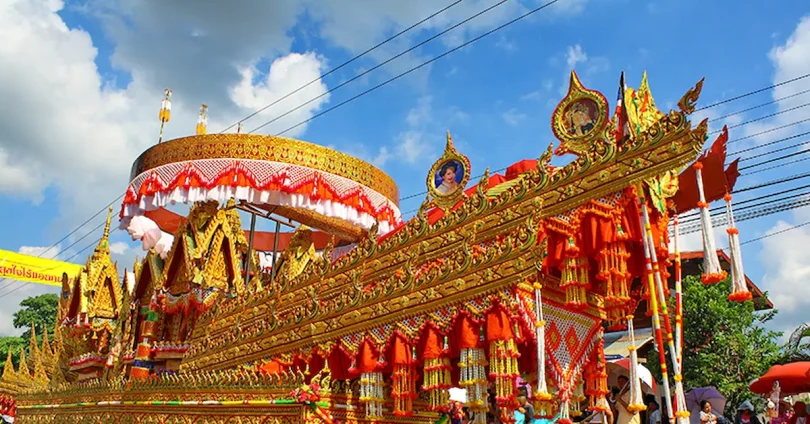
3. Phi Ta Khon (Ghost Festival)
- Held in Dan Sai, northeastern Thailand, this festival features colorful masks, costumes, and lively parades.
- It combines spiritual rituals, community celebration, and folklore, giving visitors a glimpse into local beliefs and traditions.
4. Regional and Local Festivals
- Many provinces have their own unique festivals, such as vegetarian festivals in Phuket or rice planting ceremonies in rural areas.
- Attending these events provides insight into regional customs, religious practices, and community life.
5. Experiencing Festivals as a Traveler
- Join local celebrations respectfully, observe rituals, and participate where appropriate.
- Festivals are not only fun but also educational, showing the values, beliefs, and traditions that shape Thai culture.
Thailand’s festivals are a vivid reflection of its history, spirituality, and community spirit, offering travelers unforgettable cultural experiences.
Thai Food and Culinary Experiences
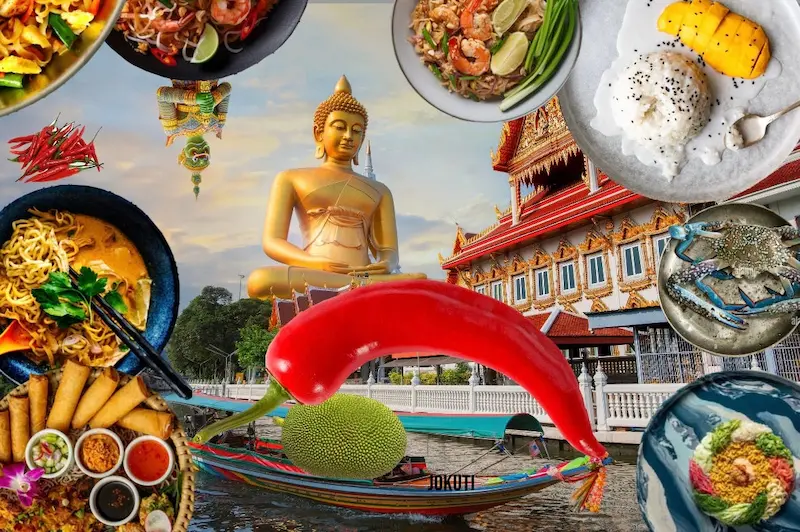
Thai cuisine is an essential part of the country’s culture. Flavors, ingredients, and cooking methods reflect Thailand’s history, regional diversity, and traditions. Exploring Thai food is not only delicious but also a cultural experience.
1. Street Food and Night Markets
- Thailand is famous for its street food culture, with vibrant markets offering dishes like Pad Thai, Som Tum (papaya salad), and grilled satay.
- Visiting night markets allows travelers to sample authentic flavors, watch food being prepared, and interact with local vendors.
- Street food is a reflection of daily life and community traditions, giving insight into how Thais eat, socialize, and celebrate food.
2. Cooking Classes
- Participating in a Thai cooking class lets travelers learn traditional recipes, techniques, and local ingredients.
- Classes often include visits to local markets to select fresh ingredients, providing a hands-on cultural experience.
- Cooking Thai dishes is a fun way to immerse yourself in local culture and take home a memorable skill.
3. Regional Cuisine
- Each region of Thailand has distinct flavors and dishes.
- Northern Thailand: Khao Soi (curry noodle soup) and herbal flavors
- Northeastern Thailand (Isan): Spicy salads, sticky rice, and grilled meats
- Southern Thailand: Coconut-based curries and seafood specialties
- Trying regional dishes helps travelers understand the diversity and history of Thai cuisine.
4. Food as Cultural Expression
- Thai food often combines sweet, sour, salty, and spicy flavors, reflecting harmony and balance valued in Thai culture.
- Traditional meals are often shared communally, emphasizing family, community, and hospitality.
- Festivals, religious ceremonies, and daily life often include special dishes prepared for specific occasions, highlighting the link between food and tradition.
5. Experiencing Culinary Culture as a Traveler
- Explore local markets, try street food, join cooking classes, and taste regional specialties.
- Being open to new flavors and observing local eating habits enhances cultural understanding and appreciation.
Thai food is more than just cuisine—it’s a way to experience the country’s culture, history, and community spirit through taste, smell, and social interaction.
you may also like to read these posts;
Traditional Thai Food Guide: Must-Try Dishes & Authentic Flavors
Popular Thai Desserts: Sweet Treats You Must Try in Thailand
Where to Eat in Thailand: Top Spots for Authentic Thai Cuisine
Thai Cooking Recipes: Easy & Authentic Dishes to Try at Home
Street Food in Thailand: Top Spots & Must-Try Dishes for Food Lovers
Best Thai Dishes to Try: A Guide to Must-Taste Thai Favorites
Temples and Spiritual Experiences
Temples, or wats, are at the heart of Thai culture and spirituality. They are not only places of worship but also centers of art, history, and community life, making them essential for anyone looking to experience authentic Thai culture.
1. Famous Temples to Visit
- Wat Phra Kaew (Temple of the Emerald Buddha): Situated within the Grand Palace in Bangkok, this temple houses the sacred Emerald Buddha. Its intricate architecture, golden spires, and detailed murals showcase the pinnacle of Thai craftsmanship.
- Wat Pho (Temple of the Reclining Buddha): Known for its giant reclining Buddha statue and elaborate murals, Wat Pho is also famous as the birthplace of traditional Thai massage.
- Wat Arun (Temple of Dawn): Located on the banks of the Chao Phraya River, Wat Arun is decorated with colorful porcelain and mosaics, making it one of Bangkok’s most visually striking landmarks.
- Other notable temples: Chiang Mai’s Wat Phra Singh and Wat Chedi Luang offer insight into northern Thai architecture and Lanna traditions.
2. Observing or Participating in Buddhist Rituals
- Visitors can observe monks chanting, make offerings, and participate in merit-making rituals, which are a daily part of Thai life.
- Activities such as lighting incense, offering flowers, or donating to temple funds allow travelers to respectfully engage with local traditions.
- These experiences provide insight into the spiritual values that influence Thai society, behavior, and art.
3. Meditation and Spiritual Retreats
- Many temples and retreat centers offer meditation classes, mindfulness sessions, and short-term monk stays for foreigners.
- These retreats teach visitors the philosophy behind Thai culture, patience, and inner peace, enriching the travel experience beyond sightseeing.
- Participating in spiritual practices provides a hands-on understanding of Thai values and daily rituals.
4. Temple Etiquette
- Dress modestly: cover shoulders, chest, and knees, and remove shoes before entering temple buildings.
- Speak softly and avoid touching sacred objects or statues. Cultural experiences in Thailand
- Show respect to monks and worshippers, and follow posted rules for photography and behavior.
- Observing proper etiquette ensures a respectful and immersive cultural experience.
5. Experiencing Spiritual Culture as a Traveler
- Visiting temples allows travelers to connect with Thailand’s history, artistry, and spiritual life.
- Many temples also host cultural performances, traditional ceremonies, and festivals, offering a deeper understanding of Thai traditions.
- Respectful engagement allows visitors to gain a meaningful perspective on the harmony between religion, art, and daily life in Thailand.
Temples in Thailand are living centers of culture, art, and spirituality, where history and tradition meet daily life. Experiencing them gives travelers a rich and lasting connection to the heart of Thai culture. Cultural experiences in Thailand
Arts, Crafts, and Traditional Performances
Thailand’s artistic heritage is vibrant, diverse, and deeply connected to its culture and history. Experiencing traditional arts, crafts, and performances allows travelers to see the creativity, skill, and storytelling that shape Thai identity.
1. Traditional Dance and Music
- Classical Thai dance: Includes Khon, Lakhon, and Fawn Thai, which combine intricate movements, elaborate costumes, and storytelling. Cultural experiences in Thailand
- Khon performances often depict scenes from the Ramakien, Thailand’s national epic, with dancers wearing masks and performing graceful gestures. Cultural experiences in Thailand
- Traditional music: Uses instruments like xylophones, drums, and flutes, providing rhythm for dance and ceremonies.
- Watching these performances offers a window into Thailand’s mythology, values, and history. Cultural experiences in Thailand
2. Handicrafts and Traditional Arts
- Silk weaving: Thailand is famous for its intricate silk patterns and vibrant colors, often produced in northern regions like Chiang Mai and Chiang Rai. Cultural experiences in Thailand
- Pottery and ceramics: Traditional pottery often features geometric or floral designs, reflecting local stories and cultural symbols.
- Wood carving and lacquerware: Commonly used in temples, furniture, and ceremonial objects, demonstrating precision, patience, and artistry. Cultural experiences in Thailand
3. Participating in Workshops
- Travelers can join art and craft workshops to try their hand at traditional skills, such as silk weaving, pottery, painting, or mask-making. Cultural experiences in Thailand
- These hands-on experiences allow visitors to learn the techniques, history, and cultural significance behind each art form. Cultural experiences in Thailand
- Participating actively deepens appreciation for Thailand’s dedication to preserving its artistic traditions. Cultural experiences in Thailand
4. Festivals and Performances
- Many traditional performances are showcased during festivals, temple celebrations, and cultural events. Cultural experiences in Thailand
- These events combine music, dance, storytelling, and visual arts, giving travelers a complete sensory experience of Thai culture.
- Observing or joining in festivals provides insight into community life, spirituality, and local traditions.
5. Cultural Significance of Arts and Crafts
- Thai arts and crafts are not just decorative; they are expressions of history, religion, and social values.
- Patterns, motifs, and techniques often carry symbolic meanings, reflecting Thailand’s spiritual and cultural worldview.
- Experiencing these art forms allows travelers to connect with the creativity and heritage of Thai people. Cultural experiences in Thailand
Traditional arts, crafts, and performances are living expressions of Thailand’s rich cultural heritage. Engaging with them offers travelers a hands-on, immersive experience that is both educational and unforgettable. Cultural experiences in Thailand
Markets and Local Life
Experiencing Thailand’s markets and daily life is a vivid way to connect with local culture. From floating markets to bustling street bazaars, these spaces are full of flavors, colors, and authentic interactions. Cultural experiences in Thailand
1. Floating Markets
- Thailand’s floating markets, like Damnoen Saduak and Amphawa, offer a unique experience where vendors sell goods from boats.
- Travelers can explore fresh produce, traditional snacks, handicrafts, and souvenirs, all while enjoying the lively waterway atmosphere. Cultural experiences in Thailand
- Floating markets reflect traditional commerce, local livelihoods, and regional culture. Cultural experiences in Thailand
2. Street and Night Markets
- Every city has vibrant night markets and street markets, offering food, clothing, crafts, and entertainment. Cultural experiences in Thailand
- Markets like Chatuchak in Bangkok and Sunday Walking Street in Chiang Mai are great places to try local street food, shop for souvenirs, and observe daily life. Cultural experiences in Thailand
- Interacting with vendors and locals gives travelers a firsthand look at community traditions and social life.
3. Experiencing Local Life
- Beyond shopping, visiting markets provides insight into how Thai people live, eat, and socialize.
- Travelers can observe daily routines, bargaining practices, and traditional cooking methods, gaining a deeper understanding of Thai culture. Cultural experiences in Thailand
- Markets often host cultural performances, religious ceremonies, and local festivals, adding richness to the experience.
4. Tips for Respectful Market Visits
- Be polite and friendly when interacting with vendors.
- Learn a few Thai words like “Sawasdee” (hello) and “Khob khun” (thank you) to show respect.
- Observe local customs and avoid behaviors that could be seen as disrespectful, like loud or aggressive bargaining.
5. Why Markets Are Cultural Experiences
- Markets are microcosms of Thai culture, blending food, art, commerce, and community life.
- Visiting them allows travelers to taste, see, and feel the culture, making it a lively and interactive part of their journey.
Thailand’s markets and local life offer an authentic glimpse into everyday culture, making them a must-visit for anyone wanting to immerse themselves in the country’s traditions and social rhythms. Cultural experiences in Thailand
Rural and Community Experiences
For travelers seeking authentic cultural immersion, rural Thailand offers experiences that go beyond the cities. Visiting villages and participating in community activities allows you to see traditional lifestyles, local customs, and age-old practices.
1. Village Homestays
- Staying in a village homestay provides a firsthand experience of daily life, including farming, cooking, and traditional crafts. Cultural experiences in Thailand
- Hosts often share stories, customs, and rituals, giving visitors a personal connection to local culture. Cultural experiences in Thailand
- Homestays are available in regions like Chiang Mai, Chiang Rai, and Isan, each with distinct traditions and lifestyles.
2. Farming and Agricultural Activities
- Many communities offer opportunities to participate in rice planting, fruit harvesting, or traditional fishing techniques.
- These activities teach travelers about Thailand’s agrarian heritage and the importance of agriculture in local communities. Cultural experiences in Thailand
- Hands-on experiences create a deeper understanding of sustainable practices and daily work routines. Cultural experiences in Thailand
3. Learning Local Crafts and Skills
- Villages often specialize in silk weaving, pottery, basket-making, and wood carving.
- Visitors can observe artisans at work or take part in workshops, gaining insight into the skill, patience, and cultural significance behind each craft. Cultural experiences in Thailand
- Engaging with craftspeople supports local economies and preserves traditional art forms. Cultural experiences in Thailand
4. Festivals and Community Life
- Rural communities celebrate festivals with unique regional customs, dances, and rituals.
- Participating in these events allows travelers to experience cultural practices that are less commercialized than in big cities.
- Observing communal activities highlights the values of cooperation, respect, and tradition in Thai society.
5. Why Rural Experiences Matter
- Rural and community experiences allow travelers to connect with the roots of Thai culture, providing perspectives that city tours alone cannot offer.
- These experiences foster respect for local traditions, appreciation for simpler lifestyles, and meaningful interactions with residents.
Exploring rural Thailand is more than sightseeing—it’s cultural immersion. By engaging with local communities, travelers gain insight into authentic Thai life, traditions, and values that stay with them long after the trip.
Social Etiquette and Cultural Tips
Understanding and respecting Thai social etiquette is essential for a positive and meaningful cultural experience. Following local customs helps travelers connect with people, show respect, and avoid misunderstandings.
1. Greetings and the Wai
- The traditional Thai greeting is called the “wai”, where palms are pressed together and accompanied by a slight bow.
- The wai is used to say hello, thank you, or show respect, especially to elders, monks, and teachers.
- When returning a wai, mirror the gesture politely.
2. Dress Code and Appearance
- Modesty is important, particularly in temples and religious sites.
- Shoulders, chest, and knees should be covered; avoid revealing clothing.
- Remove shoes when entering homes, temples, and some shops.
3. Behavior in Public
- Avoid raising your voice or showing anger, as calmness is valued in Thai culture.
- Do not touch someone’s head, as it is considered the most sacred part of the body.
- Feet are considered unclean, so avoid pointing them at people or religious objects.
4. Respect for Religion
- Show respect in temples by observing rituals quietly, not climbing on Buddha statues, and following posted guidelines.
- Monks are highly respected; women should avoid physical contact and always be polite when speaking to them.
5. Interacting with Locals
- Polite words like “Sawasdee” (hello) and “Khob Khun” (thank you) go a long way.
- Smile often—Thais value friendliness and warmth.
- Observe local customs and participate respectfully in festivals, ceremonies, and community activities.
6. Tips for Travelers
- Learn a few basic Thai phrases to enhance interactions and show respect.
- Be aware of cultural norms around photography, gestures, and public behavior.
- Respect local traditions to make your cultural experiences authentic, meaningful, and enjoyable.
Following Thai social etiquette allows travelers to fully immerse themselves in the culture, build positive connections with locals, and enjoy every experience with respect and understanding.
What are the best cultural experiences for first-time travelers?
Visiting temples, attending festivals, exploring markets, and participating in cooking classes are great ways to experience authentic Thai culture.
When is the best time to attend Thai festivals?
Songkran: Mid-April (Thai New Year)
Loy Krathong: November
Regional and local festivals vary by province, so check local calendars for exact dates.
Can tourists participate in traditional arts and crafts workshops?
Yes! Many cultural centers, villages, and cities like Chiang Mai offer hands-on workshops in silk weaving, pottery, painting, and traditional dance.
How should I dress when visiting temples?
Cover shoulders, chest, and knees.
Remove shoes before entering temple buildings.
Modest clothing shows respect for local customs and religious sites.
Conclusion
Experiencing Thailand’s culture is a rich and unforgettable journey that goes far beyond sightseeing. From colorful festivals and bustling markets to serene temples, traditional arts, and rural village life, every experience offers insight into the country’s history, values, and way of life.
Participating in cooking classes, art workshops, temple visits, and local ceremonies allows travelers to connect deeply with Thai traditions and people. Understanding social etiquette and respecting local customs enhances these experiences, making them meaningful and authentic.
Thailand’s cultural experiences are not just activities—they are a window into the heart of the country, reflecting its warmth, creativity, spirituality, and community spirit. By exploring and engaging respectfully, travelers can create memories that last a lifetime while gaining a true appreciation for Thai culture.