
Thailand is a country that captures every traveler’s heart — not just with its beautiful beaches and temples, but with its deep traditions and warm way of life. Behind every smile, every greeting, and every festival lies a story shaped by centuries of culture, religion, and community values. Thailand traditions and customs
Understanding Thai traditions and customs helps visitors connect more meaningfully with the local people. It’s not just about sightseeing — it’s about appreciating the spirit of kindness, respect, and harmony that defines Thailand. Whether you’re joining a local festival, visiting a temple, or simply sharing a meal with a Thai family, each moment offers a glimpse into the country’s soul.
In this article, we’ll explore the most important traditions and customs that make Thailand unique. From the famous Thai greeting known as the wai to the colorful celebrations of Songkran and Loy Krathong, you’ll learn how these timeless practices continue to shape daily life in the Land of Smiles.
The Heart of Thai Culture Thailand traditions and customs
1. Kindness, Respect, and Community
The heart of Thai culture is built on kindness, respect, and a strong sense of community. Everyday life in Thailand emphasizes harmony, generosity, and gratitude. These values influence how Thai people interact with each other, celebrate traditions, and resolve conflicts peacefully.
2. The Role of Buddhism
Buddhism, the main religion in Thailand, shapes both spiritual and daily life. Its teachings encourage compassion, mindfulness, and good deeds. Many Thais practice “making merit” by offering food to monks, helping others, or participating in temple activities. This practice fosters happiness and a sense of inner peace.
3. Respect and Family Values
Respect is central to Thai society. From a young age, children are taught to honor their parents, elders, and teachers. This respect strengthens family bonds and ensures that traditions are passed down through generations. Politeness in speech, gestures, and behavior is expected in daily life.
4. Hospitality and Warmth
Thai people are known for their friendliness and hospitality. Visitors are often welcomed with smiles, delicious food, and open arms. This generosity and warmth contribute to Thailand’s nickname — the “Land of Smiles.” Travelers often notice how locals go out of their way to make guests feel comfortable.
5. Tradition in Modern Life
Even as Thailand modernizes, traditional values remain strong. In both bustling cities and quiet villages, kindness, respect, and spiritual beliefs continue to guide daily life. These values make Thai culture unique and leave a lasting impression on visitors.
Greeting the Thai Way – The Wai
1. What is the Wai?
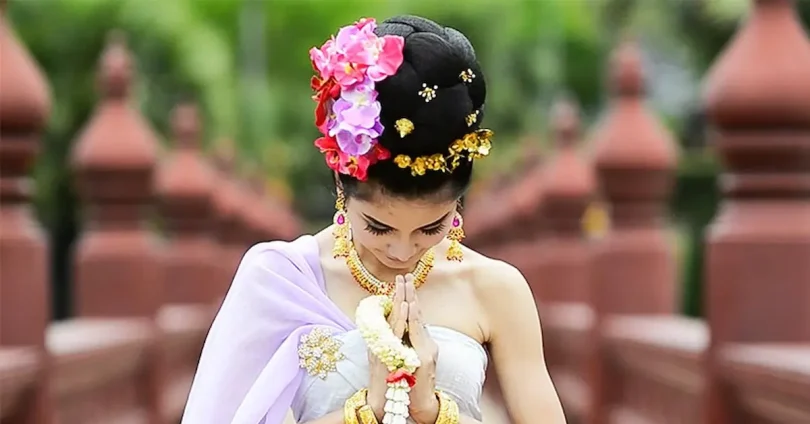
The wai is Thailand’s traditional greeting and a key part of Thai etiquette. It involves pressing your palms together in a prayer-like position, fingers pointing upwards, and bowing your head slightly. The height of your hands and the depth of your bow show the level of respect: the higher the hands, the more respect is being conveyed.
2. When to Use the Wai
The wai is a versatile gesture used in many social situations:
- Greeting someone politely – when meeting people for the first time or showing respect.
- Saying thank you – a respectful way to express gratitude.
- Apologizing – conveys humility and sincerity.
- Showing respect to elders, teachers, or monks – essential in Thai culture, where age and social position are highly valued.
It’s important to note that a wai is not always required for casual interactions, such as with children or close friends, but using it appropriately shows cultural awareness and politeness.
3. Returning the Wai
If someone greets you with a wai, it’s polite to return the gesture, especially if the person is older or in a position of respect. In more casual situations, a simple smile, nod, or small bow is acceptable. Observing how locals use the wai can help you learn the proper timing and context.
4. Cultural Significance of the Wai
The wai is more than just a greeting; it embodies Thailand’s core values of respect, kindness, and harmony. It reflects the importance of humility in social interactions and creates a sense of mutual respect between people. For travelers, mastering the wai is a small but meaningful way to connect with locals and show appreciation for Thai culture.
5. Tips for Visitors
- When greeting a monk, do not initiate a wai with your hands above your head; a slight bow is sufficient.
- Men should avoid waiing women in certain formal contexts; a polite nod may be better.
- Smile while performing the wai — it enhances the warmth and friendliness of the gesture.
Using the wai correctly helps you navigate Thai social customs gracefully and leaves a positive impression on locals.
Respect for Religion and Temples
1. The Importance of Buddhism in Thailand
Buddhism plays a central role in Thai culture, guiding the morals, values, and daily routines of most Thais. About 90% of the population practices Buddhism, and its teachings influence respect, humility, and compassion in everyday life. Temples, or wats, are not just places of worship — they are community centers, schools, and symbols of Thai heritage.
2. Visiting Temples Respectfully
When visiting a temple, it’s important to follow certain customs to show respect:
- Dress modestly: Cover your shoulders and knees. Avoid tight or revealing clothing.
- Remove your shoes: Always take off shoes before entering temple buildings.
- Be quiet and calm: Speak softly and avoid loud behavior.
- Respect Buddha images: Do not touch or climb on statues.
Following these simple rules shows appreciation for local culture and allows you to enjoy the peaceful atmosphere of the temples.
3. Respecting Monks
Monks are highly respected in Thai society, and there are specific rules for interacting with them:
- Women should not touch monks directly. If giving an item, hand it to a male intermediary or place it on a nearby surface.
- Men can offer items respectfully and avoid casual conversation unless invited.
- Always show polite gestures, like a slight bow, when greeting monks.
4. Participating in Temple Activities
Many temples welcome visitors to participate in activities such as:
- Morning chanting or meditation sessions
- Offering food to monks during alms rounds
- Observing traditional ceremonies and festivals
Participating respectfully gives travelers insight into the spiritual and cultural heart of Thailand.
5. Cultural Significance
Visiting temples is more than sightseeing — it’s a way to understand Thai values, history, and spirituality. Observing etiquette and behaving respectfully shows mindfulness and appreciation for a practice that has guided Thai society for centuries.
you may also like to read these posts;
Traditional Thai Food Guide: Must-Try Dishes & Authentic Flavors
Popular Thai Desserts: Sweet Treats You Must Try in Thailand
Where to Eat in Thailand: Top Spots for Authentic Thai Cuisine
Thai Cooking Recipes: Easy & Authentic Dishes to Try at Home
Street Food in Thailand: Top Spots & Must-Try Dishes for Food Lovers
Festivals and Cultural Celebrations
1. Why Festivals Are Important in Thailand
Festivals play a central role in Thai culture, blending religion, history, and community life. They bring people together, celebrate traditions, and provide an opportunity to express gratitude, hope, and joy. Festivals are not just entertainment — they reflect the values that define Thai society, such as respect, generosity, and harmony. For travelers, attending festivals is one of the most memorable ways to experience the culture firsthand. Thailand traditions and customs
2. Songkran – Thai New Year
Songkran, celebrated every April, is Thailand’s most famous festival and marks the Thai New Year. Traditionally, it symbolizes cleansing, renewal, and paying respect to elders and Buddha.
- Water rituals: Pouring water over Buddha statues and the hands of elders represents purification and blessings.
- Modern celebrations: Streets in cities like Bangkok, Chiang Mai, and Phuket become lively water fight zones where locals and tourists join in friendly splashes.
- Cultural meaning: Beyond the fun, Songkran is about family reunions, merit-making, and reflection. It’s a perfect mix of tradition and festivity. Thailand traditions and customs
3. Loy Krathong – Festival of Lights
Held in November, Loy Krathong is famous for its enchanting display of floating lanterns and baskets. Participants release small decorated baskets (krathongs) into rivers, lakes, or ponds as a symbolic way to let go of misfortune and make wishes for the future.
- Yi Peng in Chiang Mai: Thousands of paper lanterns are released into the sky, creating a breathtaking spectacle.
- Spiritual and social aspects: The festival emphasizes gratitude, hope, and connection to nature, while also serving as a joyful social event with music, food, and performances. Thailand traditions and customs
4. Regional and Local Festivals
Thailand’s regions each have unique celebrations that highlight local traditions:
- Bun Bang Fai Rocket Festival (Northeast) – Celebrates the rainy season with homemade rockets, parades, music, and dancing.
- Phuket Vegetarian Festival (South) – Features spiritual rituals, processions, and acts of devotion, emphasizing purification and reflection.
- Temple fairs (Central Thailand) – Combine entertainment, local foods, religious ceremonies, and games, offering an authentic glimpse into daily Thai life.
Exploring regional festivals allows travelers to experience the country beyond the typical tourist spots and see the diversity of Thai culture.
5. Tips for Participating Respectfully
- Dress appropriately: Wear modest clothing, especially near temples or sacred ceremonies.
- Observe rituals quietly: Avoid interrupting or distracting participants.
- Ask before taking photos: Some rituals or participants may require permission.
- Respect local customs: Follow instructions and behave politely, even in lively celebrations.
By participating with mindfulness and respect, travelers can enjoy the full beauty and meaning of Thailand’s festivals while building positive connections with locals.
Family Values and Social Etiquette
1. The Importance of Family in Thai Culture
Family is at the heart of Thai society. Thais place great importance on family ties, respecting elders, and maintaining harmony at home. Children are taught from a young age to honor their parents and grandparents, which helps preserve traditions and reinforces community values. Family gatherings are common during festivals, holidays, and life events, emphasizing unity and support.
2. Respect for Elders
Respecting elders is a cornerstone of Thai social etiquette. Younger people often show deference by:
- Using polite language and titles
- Performing the wai greeting
- Allowing elders to eat or speak first
This practice reflects Thailand’s cultural value of humility and respect for experience.
3. Politeness and Harmony in Social Life
Thais value harmony, avoiding conflict, and maintaining a pleasant atmosphere in social interactions. Open criticism or loud arguments are considered rude. Instead, people often use indirect communication, smiles, and gentle gestures to express their feelings. This approach is tied to the cultural concept of “saving face”, which emphasizes dignity and respect in every interaction.
4. Common Social Etiquette
- Greetings: Always use a smile or the wai when appropriate.
- Gestures: Avoid touching someone’s head, as it is considered sacred. Don’t point your feet at people or religious objects.
- Public behavior: Loud arguments, displays of anger, or public confrontation are frowned upon.
- Gift giving: Giving small gifts or tokens of appreciation is common and appreciated, especially in social or formal visits.
5. How Travelers Can Show Respect
Visitors can easily show respect by observing these customs:
- Bow slightly or return the wai when greeted Thailand traditions and customs
- Dress modestly when visiting homes or temples Thailand traditions and customs
- Speak politely and use soft tones in conversations Thailand traditions and customs
- Observe local practices during family gatherings or ceremonies Thailand traditions and customs
By following these simple rules, travelers can build trust, show appreciation for Thai culture, and enjoy more meaningful interactions with locals.
Traditional Thai Clothing and Ceremonies
1. The Beauty of Traditional Thai Dress
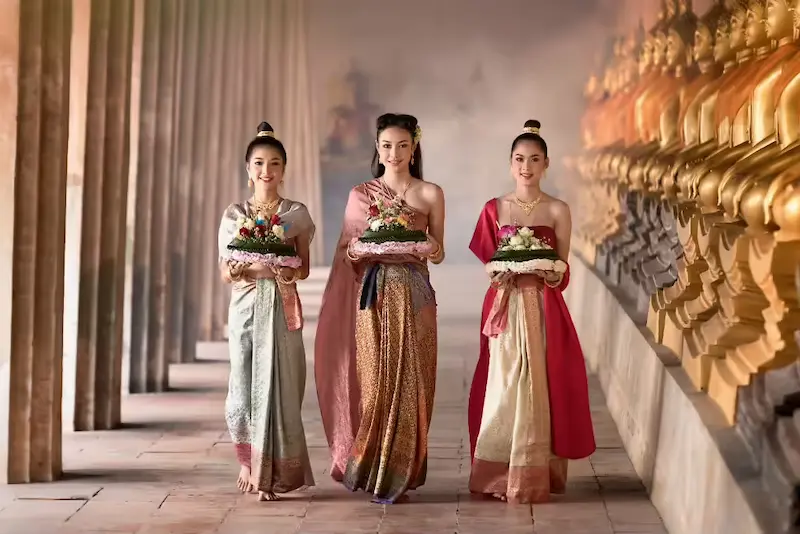
Traditional Thai clothing, known as chut thai, reflects the country’s rich cultural heritage and varies by region, occasion, and social status. Women’s attire often includes a beautifully patterned silk skirt (pha nung) paired with a fitted blouse, while men may wear a long-sleeved shirt with trousers or a wrap-around cloth. These outfits are often vibrant, elegant, and carefully crafted.
2. When Traditional Clothing is Worn
Thai traditional clothing is most commonly seen during:
- Festivals and cultural celebrations Thailand traditions and customs
- Weddings and special ceremonies Thailand traditions and customs
- Temple visits or religious events Thailand traditions and customs
- National holidays or formal occasions Thailand traditions and customs
Wearing traditional attire during these events shows respect for Thai culture and adds to the beauty of the celebration.
3. Regional Differences
Different regions of Thailand have distinct styles of traditional clothing:
- Northern Thailand: Brightly colored fabrics with intricate patterns, often handwoven.
- Central Thailand: Elegant, silk-based clothing with subtle embroidery. Thailand traditions and customs
- Southern Thailand: Lighter fabrics suitable for tropical climates, with vibrant colors.
These differences highlight Thailand’s cultural diversity and artistic traditions. Thailand traditions and customs
4. Cultural Significance of Ceremonies
Thai ceremonies, whether religious, family-related, or national, often involve traditional clothing. Examples include:
- Weddings: Elaborate outfits for the bride and groom, often including gold and silk accessories.
- Temple ceremonies: Modest traditional attire is worn to show respect. Thailand traditions and customs
- Festivals: Participants wear regional costumes to honor their heritage. Thailand traditions and customs
These ceremonies strengthen community bonds and preserve Thailand’s cultural identity.
5. How Travelers Can Appreciate This Tradition
Visitors can show respect by:
- Observing traditional attire at temples, weddings, or festivals Thailand traditions and customs
- Wearing modest clothing when required Thailand traditions and customs
- Learning about regional differences and the meaning behind the garments
Understanding and appreciating Thai clothing and ceremonies allows travelers to connect more deeply with the culture and enhances their overall experience in Thailand. Thailand traditions and customs
Thai Food and Dining Customs
1. The Importance of Food in Thai Culture
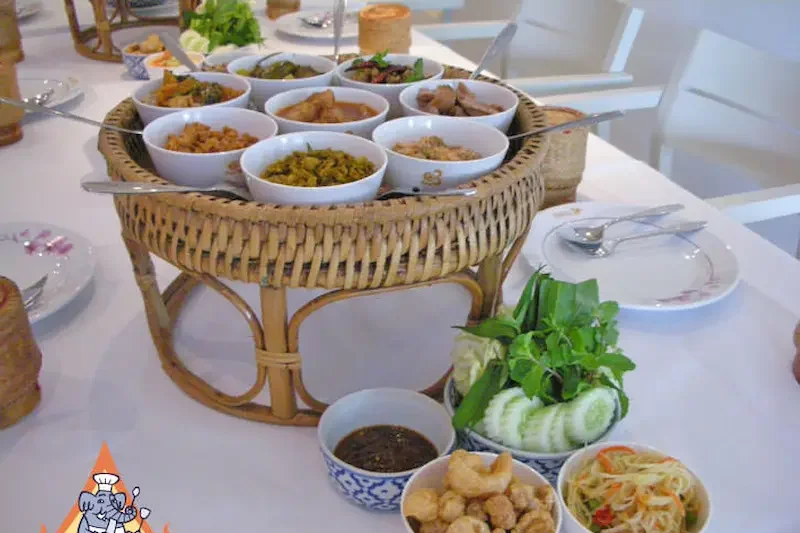
Food is more than just sustenance in Thailand — it’s a way to connect with family, friends, and community. Sharing meals reflects generosity, hospitality, and harmony. Thai cuisine emphasizes balance, combining sweet, sour, salty, bitter, and spicy flavors in every dish. Meals are often a communal experience, with dishes placed in the center for everyone to enjoy together.
2. Basic Dining Etiquette
When dining in Thailand, it’s important to observe certain customs:
- Wait for elders: Allow older family members or hosts to start eating first. Thailand traditions and customs
- Use serving utensils: Don’t take food directly with your personal fork or spoon from communal dishes.
- Don’t stick chopsticks upright in rice: This resembles a ritual for the deceased and is considered bad luck.
- Say thank you: Use “Khop Khun” to show appreciation after a meal. Thailand traditions and customs
3. Eating Together as a Cultural Practice
Sharing food is seen as a way to bond and show care. Many dishes are served family-style, encouraging conversation, cooperation, and connection. This practice reflects the Thai emphasis on harmony and community. Thailand traditions and customs
4. Street Food and Market Etiquette
Street food is a central part of Thai culture. When enjoying food at markets or street stalls:
- Always queue politely and wait your turn. Thailand traditions and customs
- Use utensils provided by the vendor. Thailand traditions and customs
- Dispose of trash responsibly. Thailand traditions and customs
Trying local dishes from street vendors allows travelers to experience authentic flavors while respecting local practices.
5. Special Food Traditions
Some Thai customs involve food in religious or cultural ceremonies:
- Offering meals to monks during alms rounds Thailand traditions and customs
- Preparing special dishes for festivals like Songkran or Loy Krathong Thailand traditions and customs
- Sharing sweets or snacks during temple fairs Thailand traditions and customs
Participating respectfully in these traditions helps travelers understand the deep connection between Thai food and culture.
What are some important Thai customs?
Important Thai customs include greeting with the wai, showing respect to elders and monks, dressing modestly in temples, and practicing politeness and harmony in daily interactions.
What is the wai and how do I use it?
The wai is Thailand’s traditional greeting, where you press your palms together and bow slightly. It’s used to say hello, thank you, or apologize, and is a sign of respect.
How should I behave in temples?
Dress modestly, remove your shoes, speak quietly, and do not touch Buddha statues. Respect the monks and follow any instructions during ceremonies or meditation sessions.
What are the most popular Thai festivals?
The two most famous festivals are Songkran (Thai New Year, April) and Loy Krathong (Festival of Lights, November). Regional festivals like the Bun Bang Fai Rocket Festival and Phuket Vegetarian Festival also showcase local traditions.
What is proper etiquette when eating Thai food?
Wait for elders to start eating first, use serving utensils for shared dishes, avoid sticking chopsticks upright in rice, and always say “Khop Khun” to show thanks.
Conclusion
Thailand’s traditions and customs are more than cultural practices — they are a window into the heart and soul of the country. From the respectful wai greeting to the vibrant festivals, from temple etiquette to shared meals, every aspect of Thai life reflects kindness, harmony, and a deep sense of community.
Understanding and respecting these customs allows travelers to connect more meaningfully with locals and experience Thailand beyond its famous tourist attractions. Whether you participate in a festival, visit a temple, or enjoy a traditional meal, you gain insight into the values that guide Thai society.
By embracing Thailand’s rich traditions, you not only enrich your journey but also show respect for a culture that has been carefully preserved over centuries. Travel with curiosity, humility, and appreciation, and you’ll discover the real magic of Thailand — its people, its heritage, and its timeless way of life.