
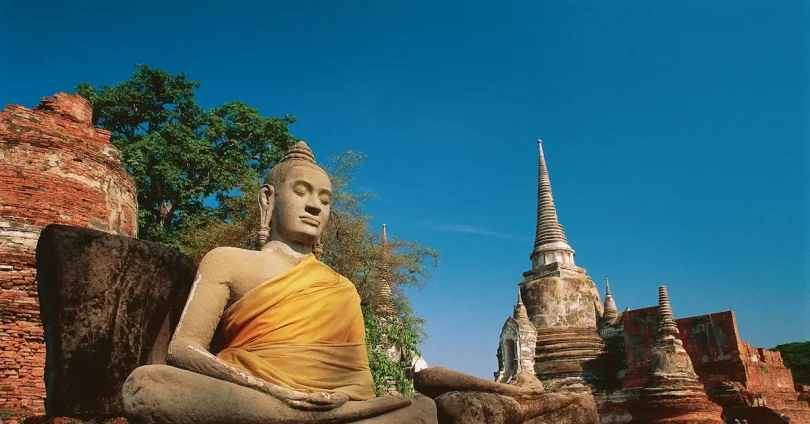

Thailand is a country with a rich tapestry of art, culture, and history that spans centuries. From the majestic temples of Bangkok and Chiang Mai to the ancient ruins of Ayutthaya, Thai art and historical landmarks tell stories of kingdoms, spiritual devotion, and cultural creativity.
Thai art is more than decoration — it reflects the country’s spiritual beliefs, traditions, and social values. Intricate temple murals, golden Buddha statues, traditional dance, and handcrafted artifacts all reveal Thailand’s artistic heritage. Meanwhile, its history, shaped by powerful kingdoms, trade, and cultural exchanges, provides context for these masterpieces.
By exploring Thai art and history, travelers and readers can gain a deeper understanding of the country, appreciate the beauty of its creations, and connect with the traditions that continue to influence modern Thailand. This guide will take you through Thailand’s artistic heritage, historical landmarks, traditional crafts, and contemporary art, giving you a full picture of its rich cultural landscape.
Early History of Thailand
Thailand’s history stretches back thousands of years, shaped by ancient kingdoms, trade, and cultural exchanges with neighboring civilizations. Understanding this early history helps explain the development of Thai art, architecture, and social traditions.
1. Ancient Kingdoms
- Sukhothai Kingdom (1238–1438): Often called the birthplace of Thai culture, Sukhothai is known for its elegant Buddha sculptures and the creation of the Thai script. The art and architecture from this era reflect simplicity, grace, and spiritual devotion.
- Ayutthaya Kingdom (1351–1767): A period of wealth, trade, and international influence. Temples and palaces built during Ayutthaya feature grand architecture, intricate carvings, and golden statues. This era left a lasting mark on Thai art and urban planning.
- Lanna Kingdom (1292–1775): Located in northern Thailand, Lanna developed a distinct style of temple architecture, mural paintings, and local crafts. The region’s art is known for its detailed ornamentation and spiritual symbolism.
2. Key Historical Events
- The rise and fall of these kingdoms shaped political and cultural life, influencing religion, governance, and artistic expression.
- Trade with India, China, and the Khmer Empire introduced new artistic techniques, motifs, and cultural ideas that blended with local traditions.
3. Cultural Influence
- Indian influence brought Buddhism, which became the backbone of Thai spiritual life and artistic expression.
- Chinese influence introduced ceramics, painting techniques, and decorative motifs that can still be seen in temples and royal palaces.
- Khmer architecture and sculpture inspired intricate designs and grand temple complexes across Thailand.
Thailand’s early history laid the foundation for its rich artistic heritage. By exploring these kingdoms and their contributions, travelers can better understand the evolution of Thai art, from temple murals and sculptures to traditional crafts and ceremonial objects
Traditional Thai Art Forms
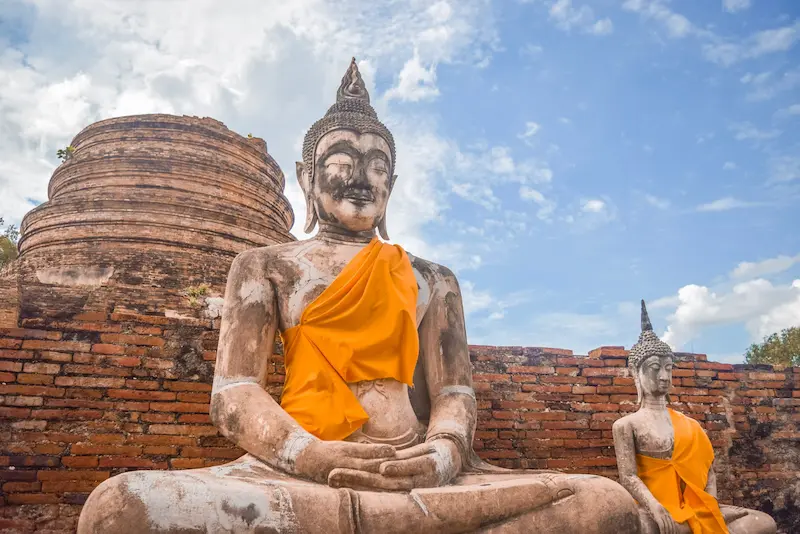
Thai art is a reflection of the country’s spiritual beliefs, history, and cultural identity. From temple murals to handicrafts, each form tells a story and showcases the skill and creativity of Thai artisans.
1. Temple Murals and Sculptures
- Murals: Thai temples are adorned with vibrant murals depicting Buddhist stories, mythology, and historical events. These paintings often cover walls and ceilings, providing a visual narrative for visitors and worshippers.
- Sculptures: Intricate Buddha statues, guardian figures, and mythological creatures are common. Materials like gold, bronze, and wood are carefully crafted to convey both beauty and spiritual significance.
2. Classical Dance and Performance Arts
- Traditional Thai dance, such as Khon and Lakhon, combines elaborate costumes, graceful movements, and storytelling.
- Performances often depict epic tales from the Ramakien (Thai version of the Ramayana) or historical events, making dance both an artistic and educational experience.
3. Handicrafts and Decorative Arts
- Silk weaving: Thailand is famous for its silk textiles, known for vibrant colors and intricate patterns.
- Wood carving and lacquerware: Used in temples, furniture, and ceremonial objects, these crafts demonstrate detailed workmanship and cultural symbolism.
- Pottery and ceramics: Traditional Thai pottery often features geometric designs, floral patterns, and symbolic motifs, reflecting local stories and beliefs.
4. Symbolism in Thai Art
- Colors, shapes, and figures often have deep meanings. For example, gold represents purity and enlightenment, while dragons and mythological creatures symbolize protection and power.
- Many art forms serve both aesthetic and spiritual purposes, reflecting Thailand’s integration of religion and daily life.
5. Preservation of Traditional Art
- Temples, museums, and cultural festivals play a key role in preserving Thai art.
- Local artisans continue to teach traditional techniques, ensuring that Thai craftsmanship and artistic heritage are passed down to future generations.
Traditional Thai art is not only visually stunning but also deeply connected to history, spirituality, and social values. Experiencing these art forms allows travelers to understand Thailand’s culture on a more profound level.
Architecture and Historical Landmarks
Thailand’s architecture and historical landmarks are a living reflection of its rich history, spiritual devotion, and artistic creativity. From majestic temples and royal palaces to ancient ruins and fortifications, each structure offers insight into the country’s past and the values that shaped it.
1. Iconic Temples
- Wat Phra Kaew (Temple of the Emerald Buddha): Situated within the Grand Palace complex in Bangkok, this temple is famous for its ornate golden spires, intricate murals, and the sacred Emerald Buddha. It is considered the most important Buddhist temple in Thailand.
- Wat Pho (Temple of the Reclining Buddha): Known for its massive reclining Buddha statue and vibrant murals, Wat Pho is also a center for traditional Thai massage and learning.
- Wat Arun (Temple of Dawn): Located on the banks of the Chao Phraya River, Wat Arun is renowned for its colorful porcelain decorations and towering spires, making it a symbol of Bangkok’s historical charm.
- Each temple serves not only as a place of worship but also as a cultural and educational hub, offering visitors a glimpse into Thai spirituality and art.
2. Ancient Palaces and Forts
- Grand Palace, Bangkok: This historic royal complex features ornate halls, beautiful gardens, and ceremonial buildings that reflect classical Thai architectural style. The palace showcases craftsmanship from gilded decorations to detailed murals.
- Ayutthaya Historical Park: The ruins of the former capital reveal the glory of the Ayutthaya Kingdom, with temples, statues, and palaces that display grandeur and sophistication.
- Ancient forts and city walls in Ayutthaya and Sukhothai demonstrate the defensive architecture and urban planning of early Thai civilizations.
3. UNESCO World Heritage Sites
- Ayutthaya Historical Park: Preserves the remains of temples, monasteries, and palaces that highlight the kingdom’s historical and cultural significance.
- Sukhothai Historical Park: Home to some of the earliest Thai architectural and artistic works, including Buddha statues and temple complexes that shaped the Sukhothai style.
- These sites allow travelers to step back in time and witness Thailand’s historical evolution through its art and architecture.
4. Architectural Features and Styles
- Traditional Thai architecture features tiered roofs, intricate carvings, gilded decorations, and symbolic motifs that often convey spiritual or cosmological meanings.
- Regional variations, such as Lanna architecture in northern Thailand, are recognized for distinctive roof styles, wood carvings, and decorative patterns. Thai art and history
- Many temples and palaces were designed to represent harmony, balance, and spiritual ideals, integrating art, religion, and symbolism into their structure. Thai art and history
5. Experiencing Landmarks as a Traveler
- Visiting these landmarks provides educational insight, cultural appreciation, and stunning photo opportunities.
- Guided tours, cultural programs, and museums help explain historical context, architectural details, and artistic symbolism, enriching the experience. Thai art and history
- Respectful behavior, modest attire, and attention to local customs enhance your visit and allow a more immersive cultural experience. Thai art and history
Thailand’s architecture and historical landmarks are more than buildings—they are storytellers, reflecting centuries of artistry, spirituality, and societal values. Exploring them provides travelers with a deep understanding of Thai culture, history, and creative heritage. Thai art and history
you may also like to read these posts;
Traditional Thai Food Guide: Must-Try Dishes & Authentic Flavors
Popular Thai Desserts: Sweet Treats You Must Try in Thailand
Where to Eat in Thailand: Top Spots for Authentic Thai Cuisine
Thai Cooking Recipes: Easy & Authentic Dishes to Try at Home
Street Food in Thailand: Top Spots & Must-Try Dishes for Food Lovers
Best Thai Dishes to Try: A Guide to Must-Taste Thai Favorites
Influence of Religion on Art and Culture
Religion, particularly Buddhism, has been a cornerstone of Thai culture for centuries. It shapes not only spiritual life but also artistic expression, architecture, festivals, and social values. Understanding this connection helps travelers appreciate the deeper meaning behind Thai art and historical landmarks. Thai art and history
1. Buddhism as a Cultural Foundation
- Theravada Buddhism is the main religion in Thailand, influencing daily life, moral values, and community practices.
- Monks are highly respected, and their teachings guide both religious and artistic expression. Thai art and history
- Buddhist beliefs emphasize compassion, mindfulness, and merit-making, which are often reflected in Thai art and architecture. Thai art and history
2. Religious Symbolism in Art
- Temples (Wats): Designed to represent spiritual ideals, such as harmony and enlightenment. Murals often depict the life of Buddha, moral stories, or historical events.
- Sculptures and Statues: Buddha statues vary in posture and design, each symbolizing different teachings or moments in Buddha’s life.
- Decorative Motifs: Dragons, mythical creatures, and floral patterns frequently appear in temple art, symbolizing protection, spirituality, and natural harmony.
3. Influence on Festivals and Ceremonies
- Many Thai festivals, like Songkran and Loy Krathong, are rooted in religious and spiritual traditions. Thai art and history
- Art and cultural performances often accompany religious ceremonies, blending visual, performing, and spiritual arts into meaningful experiences. Thai art and history
- Participation in these events offers travelers insight into how religion shapes community life and artistic expression.
4. Preservation of Religious Art
- Temples and monasteries actively preserve murals, sculptures, and ritual objects for future generations.
- Local artisans continue traditional techniques, ensuring that religiously inspired art remains a living part of Thai culture.
- Visitors to temples can see firsthand how faith and creativity are intertwined, creating a unique and vibrant artistic heritage. Thai art and history
Religion in Thailand is not just a belief system—it’s a guiding force that influences daily life, social behavior, and the creation of art. Exploring these connections allows travelers to fully appreciate the depth and beauty of Thai culture.Thai art and history
Modern Thai Art and Contemporary Influences
While traditional art forms remain central to Thai culture, modern and contemporary art has emerged as a dynamic reflection of Thailand’s evolving society. Contemporary Thai artists blend history, tradition, and global influences to create unique works that resonate locally and internationally. Thai art and history
1. Contemporary Painting and Sculpture
- Modern Thai painters often merge traditional motifs with modern techniques, creating artworks that reflect both heritage and innovation. Thai art and history
- Sculptors experiment with new materials while drawing inspiration from mythology, religion, and historical themes.
- Contemporary art exhibitions in Bangkok, Chiang Mai, and Phuket showcase creativity that bridges old and new.
2. Street Art and Urban Creativity
- Cities like Bangkok feature vibrant street art, murals, and graffiti that comment on society, politics, and cultural identity.
- This modern expression complements traditional art forms, highlighting the diverse voices and stories of contemporary Thailand. Thai art and history
3. Fusion of Tradition and Modernity
- Many modern artists incorporate temple-inspired designs, Buddhist symbolism, or Lanna patterns into contemporary works. Thai art and history
- This fusion ensures that traditional art remains relevant while appealing to global audiences. Thai art and history
4. Thai Artists and Global Recognition
- Artists such as Rirkrit Tiravanija and Navin Rawanchaikul have gained international acclaim, showcasing Thailand’s contemporary creativity on the world stage. Thai art and history
- Galleries and cultural centers in Thailand allow travelers to experience both traditional and modern art in one visit.
5. Experiencing Modern Art in Thailand
- Visitors can explore art museums, galleries, cultural festivals, and street art tours to see Thailand’s modern artistic evolution. Thai art and history
- Engaging with contemporary art provides a fresh perspective on Thai culture, reflecting current social themes while honoring historical roots. Thai art and history
Modern Thai art highlights the creativity, adaptability, and cultural pride of the Thai people. By experiencing both traditional and contemporary works, travelers can gain a complete understanding of Thailand’s artistic journey. Thai art and history
Museums and Cultural Centers
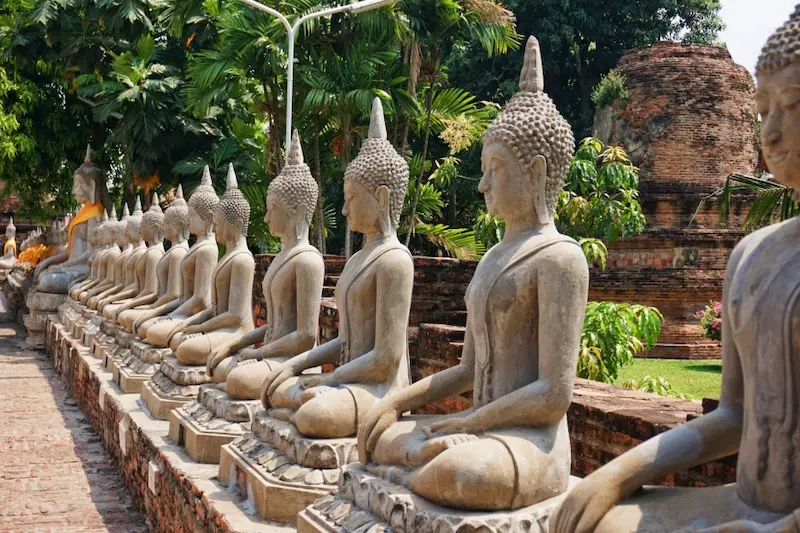
Museums and cultural centers in Thailand provide a window into the country’s rich art and history, preserving traditions while educating visitors about its heritage. They are ideal for travelers who want to explore Thai culture beyond temples and landmarks.
1. Bangkok National Museum
- One of the largest museums in Southeast Asia, it houses artifacts, sculptures, and historical objects from Thailand’s past.
- Visitors can explore ancient coins, traditional costumes, and temple relics, gaining insight into Thai history and art evolution.
- The museum also showcases Buddhist art, ceramics, and royal collections, offering a comprehensive overview of Thai heritage.
2. Chiang Mai Art Museum and Cultural Centers
- Chiang Mai is known for Lanna art and handicrafts. Thai art and history
- Local museums display traditional paintings, sculptures, and textiles, highlighting the region’s artistic style.
- Cultural centers often host workshops and performances, allowing visitors to actively participate in Thai art traditions.
3. Contemporary Art Galleries
- Bangkok, Chiang Mai, and Phuket feature galleries dedicated to modern Thai art, showcasing works by both emerging and renowned artists. Thai art and history
- Exhibitions often blend traditional motifs with contemporary styles, offering a modern perspective on Thailand’s culture.
4. Experiential Learning Opportunities
- Many museums offer hands-on workshops for visitors to try traditional crafts like silk weaving, pottery, or painting.
- Cultural centers often host dance performances, music recitals, and storytelling sessions, giving travelers a holistic cultural experience.
5. Importance of Museums and Cultural Centers
- They preserve Thailand’s artistic and historical legacy, ensuring that future generations can learn from and appreciate it.
- Visiting these spaces allows travelers to understand the context behind Thai art, history, and societal development, enhancing cultural appreciation.
Museums and cultural centers are more than exhibits—they are interactive gateways to Thailand’s past and present, offering a deeper, more meaningful connection to Thai art and history.
What are the most famous historical sites in Thailand?
Some of the most famous sites include Ayutthaya Historical Park, Sukhothai Historical Park, Wat Phra Kaew, Wat Pho, and the Grand Palace in Bangkok.
How does Buddhism influence Thai art?
Buddhism shapes temple murals, Buddha statues, decorative motifs, and festivals. Religious symbolism is central to most Thai artistic expressions.
Can I visit both traditional and modern Thai art spaces?
Yes! Thailand has temples, historical sites, museums, cultural centers, and contemporary art galleries where you can explore traditional and modern art.
Are guided tours necessary to understand Thai history and art?
While not mandatory, guided tours or audio guides provide helpful historical context and explain the symbolism in art and architecture.
Is it appropriate to photograph temples and historical landmarks?
Yes, but follow local rules, avoid sacred areas, and always be respectful, especially in temples and during religious ceremonies.
Conclusion
Exploring Thai art and history offers a fascinating journey through the country’s culture, spirituality, and creativity. From ancient kingdoms like Sukhothai and Ayutthaya to modern artistic expressions, Thailand’s heritage is reflected in its temples, palaces, murals, sculptures, and traditional crafts.
Religion, history, and social values have shaped these art forms, giving them meaning beyond beauty. Whether you admire the intricate carvings of a temple, participate in a cultural workshop, or explore a contemporary art gallery, each experience provides insight into Thailand’s rich and vibrant cultural identity.
By visiting historical landmarks, museums, and cultural centers, and by respecting local customs and traditions, travelers can connect deeply with Thailand’s past and present. Embracing Thai art and history not only enriches your journey but also creates memorable and meaningful experiences that last a lifetime.


