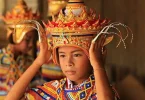
Thailand is a country full of color, culture, and celebration. From bustling city streets to quiet villages, festivals bring people together, showcase traditions, and reflect the heart of Thai life. Each festival tells a story — of religion, community, history, or the changing seasons — and offers a unique glimpse into Thailand’s rich cultural heritage.
Attending a Thai festival is more than just fun; it’s a way to experience the warmth, creativity, and spirituality of the Thai people. Whether it’s splashing water during Songkran, floating lanterns on a river during Loy Krathong, or watching vibrant local parades, these celebrations leave travelers with unforgettable memories. Thai festivals explained
In this article, we’ll explore Thailand’s most famous and fascinating festivals, explain their significance, and provide tips for experiencing them respectfully and meaningfully.
Why Festivals Are Important in Thai Culture
1. Festivals Reflect Thai Values and Beliefs
Festivals in Thailand are more than just entertainment — they reflect the country’s values, beliefs, and traditions. They highlight respect, gratitude, and harmony, which are central to Thai society. By observing and participating in these celebrations, visitors can see how culture is woven into everyday life.
2. Religious Significance
Many Thai festivals are deeply connected to Buddhism, the main religion in Thailand. Temples often become the focal point of celebrations, with activities such as merit-making, prayers, and offerings to monks. These rituals provide a spiritual dimension to the festivities and teach important cultural values like compassion and mindfulness.
3. Connection to Nature and Seasons
Thai festivals are often tied to the natural environment and the changing seasons. For example, harvest festivals celebrate the rice crop, while Songkran, the Thai New Year, occurs during the hot season and symbolizes cleansing and renewal. This connection to nature emphasizes the harmony between culture and the environment.
4. Family and Community Bonding
Festivals are a time for families and communities to come together. People enjoy food, music, dance, and games, strengthening social ties and fostering a sense of belonging. Visitors who participate respectfully can experience these cultural values firsthand, gaining a deeper appreciation for Thai traditions.
Songkran – The Thai New Year Thai festivals explained

1. What is Songkran?
Songkran is Thailand’s traditional New Year festival, celebrated every April. It marks the start of the Thai calendar year and symbolizes cleansing, renewal, and blessings. The festival has both spiritual and social significance, blending ancient customs with lively modern celebrations.
2. Traditional Customs
Traditionally, Songkran is a time to pay respect to elders and Buddha images:
- Pouring water over Buddha statues at temples for purification.
- Gently sprinkling water on the hands or shoulders of elders as a sign of respect.
- Visiting family members and making merit by giving alms to monks.
These practices emphasize respect, gratitude, and renewal for the coming year.
3. Modern Celebrations
Today, Songkran is also known for its nationwide water fights, especially in cities like Bangkok, Chiang Mai, and Phuket. Locals and tourists join the fun, splashing water on each other in the streets. While it’s playful, the water symbolizes washing away bad luck and starting fresh.
4. Tips for Travelers
- Protect electronics and valuables during water festivities.
- Participate respectfully in traditional rituals at temples before joining street celebrations.
- Try local foods and snacks sold during the festival to enhance your experience.
Songkran perfectly blends tradition and modern fun, making it one of Thailand’s most memorable festivals for visitors.
Loy Krathong – Festival of Lights
1. What is Loy Krathong?
Loy Krathong is one of Thailand’s most visually stunning festivals, celebrated in November. The festival honors the water goddess and symbolizes letting go of misfortune while making wishes for the future. During this time, rivers, ponds, and lakes are filled with floating lanterns and decorated baskets called krathongs.
2. Traditions and Customs
- Floating Krathongs: People release small baskets made from banana leaves or flowers into the water, often with candles, incense sticks, and coins inside.
- Making Wishes: Letting the krathong float away represents releasing negativity, bad luck, or misfortune.
- Temple Visits: Many participants begin by praying and giving offerings at nearby temples before releasing their krathongs.
3. Yi Peng Lantern Festival in Chiang Mai
In Northern Thailand, Loy Krathong coincides with the Yi Peng Lantern Festival. Thousands of paper lanterns are released into the night sky, creating a breathtaking spectacle. The lanterns symbolize letting go of worries and sending good wishes for the future.
4. Tips for Travelers
- Dress modestly, especially near temples or religious ceremonies.
- Be respectful when releasing krathongs, and avoid disturbing local participants.
- Capture photos thoughtfully — ask before photographing people or rituals.
- Combine the experience with exploring local food stalls and cultural performances near rivers or lakes.
Loy Krathong is a magical festival that beautifully combines spirituality, culture, and visual artistry, offering an unforgettable experience for anyone visiting Thailand.
you may also like to read these posts;
Popular Thai Desserts: Sweet Treats You Must Try in Thailand
Where to Eat in Thailand: Top Spots for Authentic Thai Cuisine
Thai Cooking Recipes: Easy & Authentic Dishes to Try at Home
Street Food in Thailand: Top Spots & Must-Try Dishes for Food Lovers
Best Thai Dishes to Try: A Guide to Must-Taste Thai Favorites
Regional and Local Festivals
1. Bun Bang Fai Rocket Festival (Northeast Thailand)
The Bun Bang Fai Rocket Festival is celebrated in Thailand’s northeastern region, usually in May, to mark the start of the rainy season and encourage a good rice harvest.
- Highlights: Homemade rockets are launched into the sky, accompanied by parades, traditional music, and dancing.
- Cultural Significance: The festival is both a celebration of fertility and a communal event that brings villages together.
2. Phuket Vegetarian Festival (Southern Thailand)
The Phuket Vegetarian Festival, held in September or October, is a spiritual event observed by the Chinese-Thai community.
- Highlights: Participants take part in purification rituals, street processions, and acts of devotion. Some processions include body piercings, which are believed to bring spiritual merit.
- Cultural Significance: The festival emphasizes self-purification, merit-making, and respect for the divine.
3. Temple Fairs and Local Celebrations
Across Thailand, many smaller festivals and temple fairs celebrate local traditions, harvests, or religious events.
- Examples: Food fairs, traditional games, cultural performances, and parades unique to each province.
- Cultural Significance: These local festivals preserve regional heritage and provide travelers with authentic experiences away from crowded tourist spots. Thai festivals explained
4. Participating Respectfully
- Dress appropriately and modestly during religious or ceremonial events.
- Observe rituals quietly and avoid disturbing participants.
- Engage with locals to learn the stories behind each festival.
Regional and local festivals showcase Thailand’s diversity and offer visitors a deeper understanding of its rich cultural heritage, making them a must-see for those seeking authentic experiences. Thai festivals explained
Seasonal Festivals and Their Connection to Nature
1. Festivals Reflecting the Seasons
Many Thai festivals are closely tied to the natural environment and agricultural calendar. These celebrations honor the changing seasons, seasonal crops, and natural elements that are vital to local life. They demonstrate how Thai culture is deeply connected to nature and its cycles.
2. Songkran – Welcoming the Hot Season
- Celebrated in April, Songkran marks the Thai New Year and occurs during the hottest part of the year. Thai festivals explained
- The traditional water rituals, including splashing water on Buddha statues and elders, symbolize cleansing, renewal, and the hope for a prosperous year.
- The festival combines spiritual purification with fun water fights, connecting cultural practices to the seasonal climate.
3. Loy Krathong – Celebrating the End of the Rainy Season
- Celebrated in November, Loy Krathong coincides with the end of the rainy season.
- Floating krathongs on rivers and lakes symbolizes letting go of negativity and misfortune, while also honoring the water goddess.
- The timing reflects the natural cycle, as rivers are full and the environment is ready for gratitude and celebration.
4. Harvest Festivals and Agricultural Celebrations
- In rural areas, festivals often celebrate the rice harvest or planting seasons. Thai festivals explained
- Events include community gatherings, traditional dances, music, and offerings to ensure a good harvest. Thai festivals explained
- These festivals highlight the importance of agriculture and the natural environment in Thai life. Thai festivals explained
5. Why Nature and Culture Are Linked
By connecting festivals to the seasons and natural cycles, Thailand preserves a cultural rhythm that is harmonious with the environment. Visitors can see how spirituality, tradition, and nature work together to shape meaningful celebrations. Thai festivals explained
Participating in Festivals Respectfully
1. Dress Appropriately
When attending Thai festivals, especially those with religious or cultural significance, it’s essential to dress modestly. Cover your shoulders and knees, and avoid tight, revealing, or flashy clothing. Wearing respectful attire demonstrates cultural awareness and allows you to blend in comfortably while showing appreciation for local customs. Thai festivals explained
2. Observe Rituals Quietly
Many festivals involve spiritual or ceremonial practices. Always observe quietly, avoid interrupting rituals, and follow the example of locals. Whether it’s merit-making at a temple, processions, or traditional dances, being attentive and respectful enhances the authenticity of your experience. Thai festivals explained
3. Ask Before Taking Photos
Festivals are visually stunning, but not every moment is suitable for photography. Always ask permission before photographing people, sacred objects, or ceremonies. Some rituals are private or spiritual, and respecting this ensures positive interactions and avoids offending participants. Thai festivals explained
4. Engage Mindfully
Participating in activities, such as releasing krathongs, joining parades, or tasting local foods, should be done thoughtfully. Avoid disruptive behavior, follow instructions from organizers or locals, and be aware of your surroundings. Mindful engagement shows respect and allows for a more meaningful experience. Thai festivals explained
5. Learn and Appreciate the Stories
Take the time to understand the history and cultural significance of each festival. Learning why certain rituals are performed, the symbolism behind decorations, or the meaning of traditional songs and dances enriches your experience and fosters deeper appreciation of Thai culture. Thai festivals explained
6. Respect Elders and Religious Figures
Always show deference to elders, monks, and community leaders. Use polite gestures such as the wai when greeting or acknowledging them, and avoid interrupting their participation in rituals. This reflects the Thai values of respect and humility.
7. General Tips for Travelers
- Be punctual for scheduled events or ceremonies. Thai festivals explained
- Dispose of trash responsibly to maintain cleanliness and protect the environment. Thai festivals explained
- Stay hydrated and take care of personal belongings, especially during outdoor festivals. Thai festivals explained
- Engage with locals to ask questions or learn about specific customs — this fosters positive cultural exchange.
By following these guidelines, travelers can fully enjoy Thai festivals while showing respect for traditions, spirituality, and the communities that uphold them. Participating mindfully transforms a simple visit into a memorable and culturally enriching experience. Thai festivals explained
Tips for Tourists to Enjoy Festivals

1. Plan Ahead
Before attending a Thai festival, research the event’s date, location, and traditions. Many festivals follow the lunar calendar, so their dates can change each year. Knowing what to expect helps you prepare your schedule, arrange accommodation early, and pack suitable clothing for the occasion. Thai festivals explained
2. Arrive Early for the Best Experience
Festivals often get crowded, especially in popular tourist cities like Chiang Mai, Bangkok, or Phuket. Arriving early allows you to secure a good viewing spot, enjoy the setup process, and observe locals as they prepare rituals or decorations. This quiet time gives you a more personal connection to the event. Thai festivals explained
3. Join Local Activities
Don’t just watch—participate! Whether it’s floating a krathong during Loy Krathong, joining the water celebrations of Songkran, or helping prepare offerings during a temple festival, engaging with the community brings a sense of belonging and cultural connection. Locals are usually happy to guide friendly and respectful visitors. Thai festivals explained
4. Try Traditional Food and Snacks
Thai festivals are a feast for the senses, and food is at the heart of every celebration. Sample local specialties like khanom krok (coconut pancakes), som tam (papaya salad), or grilled meats from market stalls. Street food not only tastes amazing but also reflects the region’s unique culture and traditions. Thai festivals explained
5. Be Respectful and Polite
Thailand is known as the “Land of Smiles,” and kindness goes a long way. Always smile, speak politely, and use the traditional Thai greeting (wai) when meeting locals. Avoid arguments or loud behavior—festivals are joyful and spiritual events meant to spread positive energy. Thai festivals explained
6. Take Care of Your Belongings
Festivals can get busy, especially during parades or street parties. Keep your valuables safe in a secure bag and carry only what’s necessary. Staying alert ensures you can enjoy the event without worries. Thai festivals explained
7. Learn a Few Thai Phrases
Even a few simple Thai words can make a huge difference! Phrases like “Sawasdee ka/krub” (hello), “Khop khun ka/krub” (thank you), and “Suay mak!” (so beautiful!) show friendliness and respect. Locals appreciate the effort and will often respond with warmth and enthusiasm. Thai festivals explained
8. Capture Memories, But Stay Present
While photos and videos are great souvenirs, try not to view the festival entirely through your camera lens. Take time to simply watch, listen, and feel the atmosphere. Immersing yourself in the moment will make the experience more memorable. Thai festivals explained
9. Travel Sustainably
Support local vendors, artisans, and small businesses during festivals. Buy handmade souvenirs, use reusable water bottles, and avoid littering. Sustainable travel helps preserve Thailand’s culture and environment for future generations. Thai festivals explained
By following these tips, you’ll not only enjoy Thailand’s colorful festivals but also connect with its people, traditions, and spirit on a deeper level. Each celebration offers a unique opportunity to experience the warmth and heart of Thai culture. Thai festivals explained
What are the most famous festivals in Thailand?
Some of the most famous festivals in Thailand include Songkran (Thai New Year) in April, Loy Krathong in November, and Yi Peng Lantern Festival in Chiang Mai. Other popular celebrations are Phi Ta Khon (Ghost Festival), Bun Bang Fai (Rocket Festival), and various Buddhist temple fairs held throughout the year.
When is the best time to visit Thailand for festivals?
The best time to experience Thai festivals is between November and April, when the weather is cooler and many of the country’s major events take place. Songkran in April and Loy Krathong in November are especially popular among travelers.
Are Thai festivals family-friendly?
Yes, most Thai festivals are family-friendly and welcome people of all ages. Children can enjoy parades, lantern releases, and local food markets. However, parents should keep an eye on kids during large crowds or water celebrations like Songkran.
Do I need to pay to join a festival in Thailand?
Most festivals are free to attend, especially public celebrations held in streets, temples, or parks. However, some special events or performances may require a small entrance fee or donation to support the local community.
What should I wear when attending Thai festivals?
Wear comfortable and respectful clothing—light, breathable fabrics are best. Avoid overly revealing outfits, especially when attending temple-related festivals. For events like Songkran, bring waterproof gear and quick-dry clothes since water splashing is part of the fun!
Can tourists participate in Thai festivals?
Absolutely! Tourists are encouraged to join many of the activities, such as releasing lanterns, floating krathongs, or making merit at temples. Just remember to be respectful, observe local customs, and follow the lead of Thai participants.
Conclusion
Thai festivals are more than just colorful celebrations—they are a window into the heart of Thailand’s culture, traditions, and community life. From the joyful water fights of Songkran to the serene beauty of Loy Krathong’s floating lights, each festival tells a story of gratitude, spirituality, and connection to nature.
For travelers, these events offer a chance to experience the real spirit of Thailand—its kindness, respect, and love for celebration. Whether you join a local procession, release a lantern into the night sky, or share a smile with new friends, every moment becomes a lasting memory.
By taking part respectfully and embracing local customs, visitors not only enjoy the festivities but also help preserve the traditions that make Thailand unique. So next time you plan your trip, time it around one of these festivals—you’ll leave with more than just photos; you’ll take home a piece of Thailand’s heart.